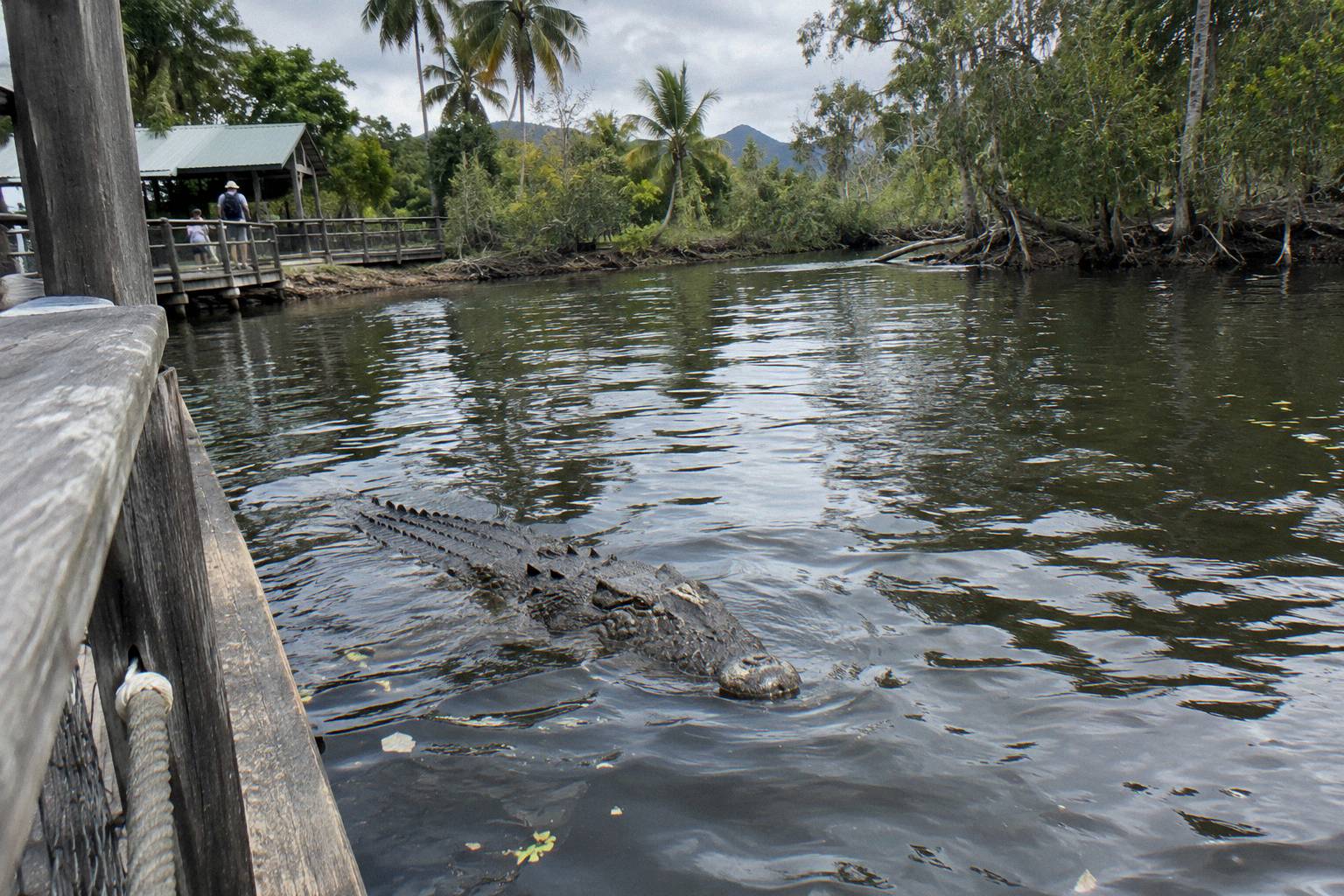
Are There Crocs In The Ocean In Cairns? Safety On Tours And Walks
Crocodiles live in Far North Queensland waterways, and the sea frontage along the Cairns Esplanade is estuary, not a swimming beach. Here is what is verified, what is not, and how tours handle it.
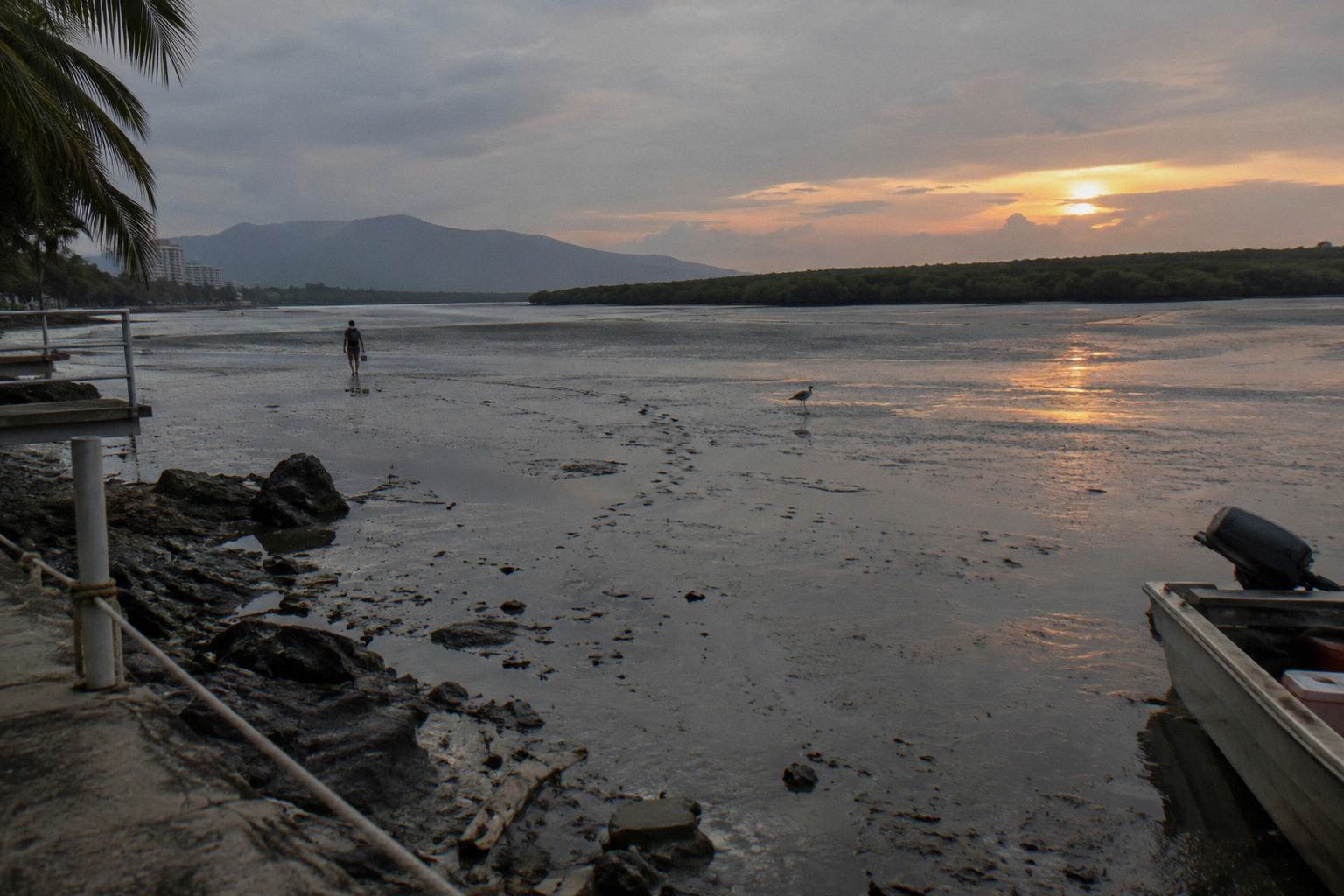
Yes, estuarine crocodiles occur in Queensland waterways between Gladstone and Cape York, and the sea frontage at Cairns is tidal mudflat and estuary rather than a swimming beach. Queensland's own guidance is to follow the Be Crocwise signs and any operator briefing, and council advice says swimming at the Esplanade frontage is not advised. No official source declares any local spot croc-free.
Crocodiles in Far North Queensland are not a marketing problem or a scare story; they are a fact of the landscape, the same way jellyfish seasons and cyclone seasons are. The region sits inside the range the Queensland Government publishes for estuarine crocodiles, which spans waterways from Gladstone right up to Cape York. Cairns is inside that range, and every creek, inlet and mangrove line around the city falls inside it too.
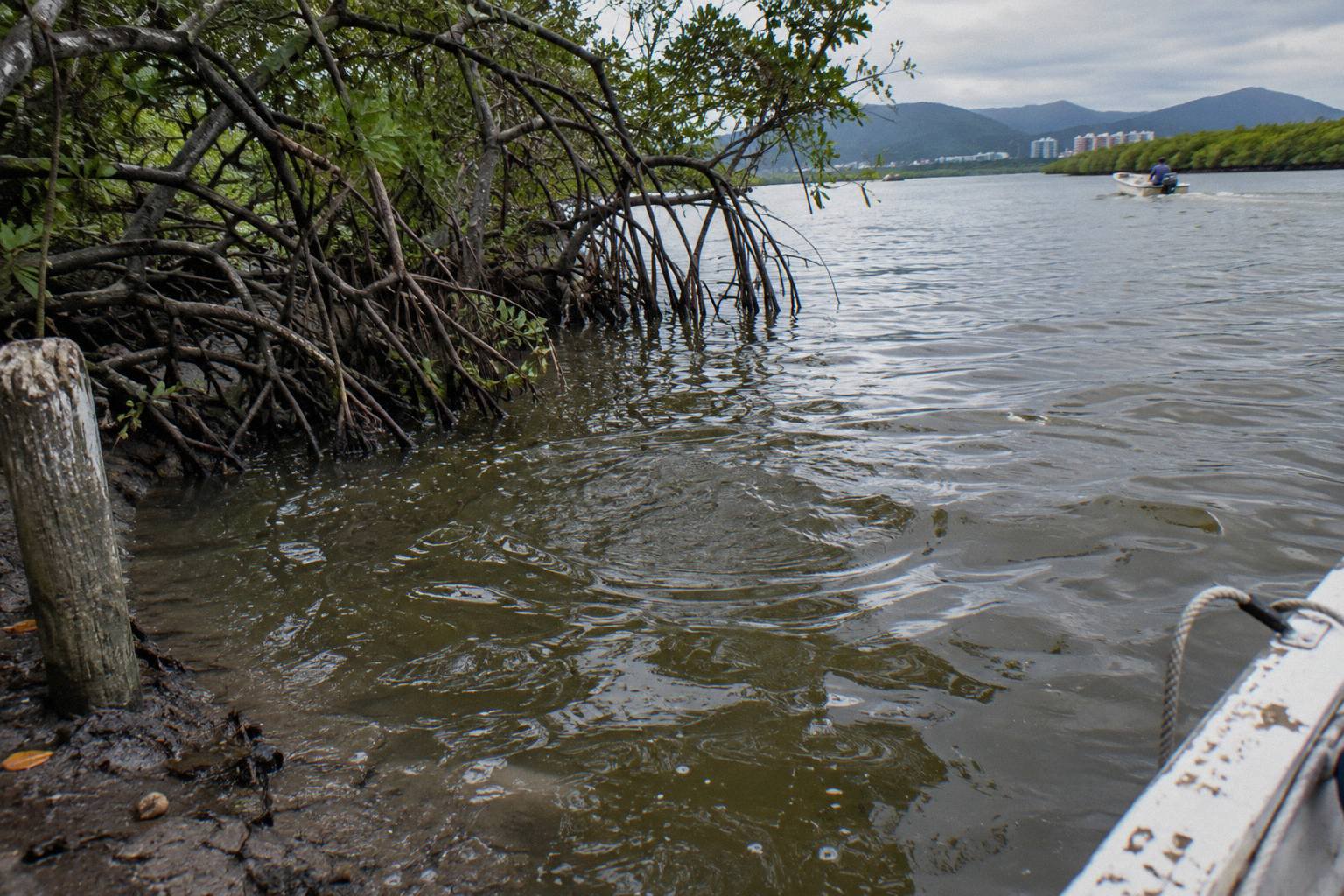
What tends to surprise first-time visitors is that the question is rarely "ocean or no ocean". Crocodiles in this region are associated with estuaries, rivers, creeks and mangrove areas, and the Trinity Inlet system runs directly past the city. The Esplanade's sea frontage is tidal mudflat, which is estuary habitat, not an open surfing beach. That is why Cairns City Tours treats water safety around the city as an estuary question, and why the advice below leans on official sources rather than folklore from travel forums.
The practical takeaway for a cautious reader planning tours and walks is simple. Follow posted signage, treat any briefing from a licensed operator as the real rules for that trip, and keep out of unpatrolled estuary water.
Where Crocodiles Actually Live Around Cairns
Estuarine crocodiles occur in Queensland waterways between Gladstone and Cape York, according to the Queensland Government's living-with-crocodiles guidance, and that range includes every waterway around Cairns. The same guidance asks people to follow Be Crocwise signs and local advice. It does not publish a list of croc-free swimming spots.
The official wording matters because almost everything else you will read online is anecdote. Queensland's crocodile page is the primary source, and it is deliberately broad: crocodiles can occur in waterways across the range, which means any creek mouth, river bend or inlet around Cairns is treated as crocodile habitat by default. You can read the guidance directly at the Queensland Government's living with crocodiles page.
Locally, that plays out in a few obvious places. Trinity Inlet is a working estuary that starts essentially at the city's marinas. The Barron River empties to the north of the city near the airport. Creeks and mangrove systems thread through the Northern Beaches suburbs. None of these are swimming venues, and none are promoted as such. The national park context is worth knowing too: Barron Gorge National Park, which the Skyrail cableway and the Kuranda Scenic Railway both traverse, is Wet Tropics World Heritage country managed with the Djabugay people, and its park pages note that rafting and the cableway and railway journeys pass through it. The parks service page on Barron Gorge covers that context without any swimming invitations, because there are none.
A reasonable question is whether crocodiles swim in the open sea. It does not need to be settled here: the verified guidance is the waterway range plus the signage and briefing rule, and that is the whole of what should be repeated. What is safe to say is that the places a visitor actually interacts with water around Cairns, the inlet, the creeks, the mudflat frontage, are all estuary-type environments, and all fall inside the published range.
If you want a deeper look at the rainforest side of that landscape rather than the water, the Barron Gorge National Park tour guide covers the park, its walks and its closures in detail, including one closure that matters right now: the Din Din Barron Falls lookout track is closed from 23 November to 4 December 2026 for planned maintenance.
Where Visitors Actually Encounter Water Around Cairns
| Waterfront setting | What it is | Official position on swimming |
|---|---|---|
| Esplanade sea frontage | Tidal mudflat and estuary | Council and visitor guidance say swimming is not advised |
| Trinity Inlet | Working estuary at the marinas | Not a swimming venue; tours operate on it by vessel |
| Barron River and local creeks | Estuary and freshwater systems inside the published crocodile range | Follow signage and briefings; no croc-free claim exists |
| Kuranda and Barron Gorge area | World Heritage rainforest traversed by cableway and railway | Managed lookouts and tracks only; follow park alerts |
Why The Cairns Esplanade Frontage Is Not For Swimming
The Cairns Esplanade's sea frontage is tidal mudflat and estuary, and both council and visitor guidance say swimming there is not advised. The parklands beside it are a different story: free for casual use, with playgrounds, barbecues and fitness classes. The distinction between the lawn side and the mudflat side is the single most useful thing a cautious visitor can learn on day one.
The Esplanade is the spine of central Cairns, and most of what people love about it happens on the land side. The Cairns Regional Council lists the parklands as free for casual use, with three free playgrounds, free barbecues available 6am to 9pm daily, and eight free Active Living fitness classes. Dogs are allowed on the Esplanade itself, though not in the Lagoon or its surrounding parklands. Lagoon hours, entry rules, lifeguard arrangements and closure notices can be checked on the council's Esplanade facilities page.
The water side is where the estuary reality kicks in. At low tide the frontage reveals wide mudflats; at high tide the water returns over them. It is a feeding ground for wading birds and a working part of the inlet system, and it is not managed as a swimming beach. If you want the full picture of walking this stretch with a guide, the Cairns Esplanade guided walk guide covers what the walk involves without inventing a single safety promise.
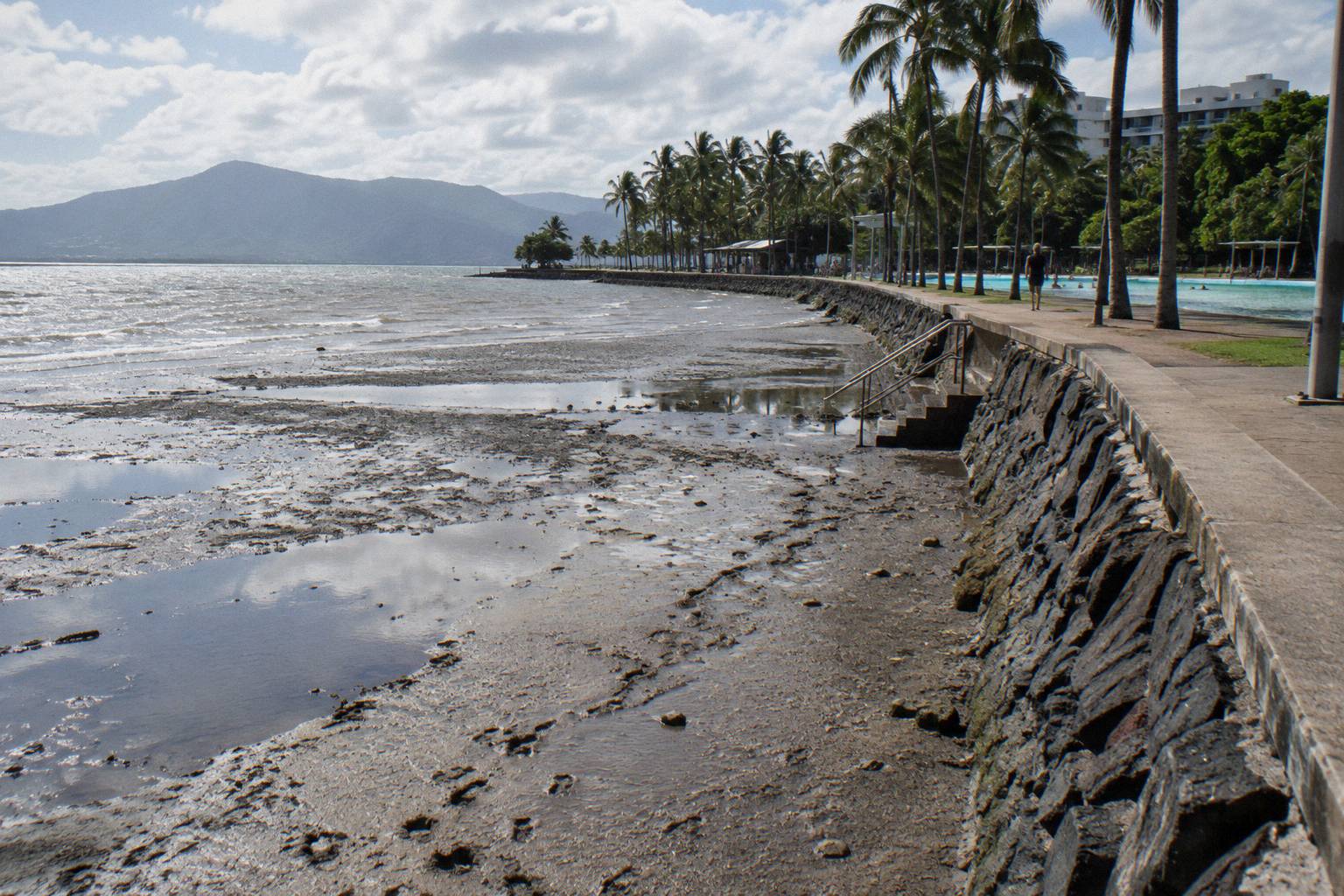
For a cautious reader, the framing that helps is this: nothing about the frontage being "not advised" for swimming makes the Esplanade a place to avoid. It makes it a place to enjoy from the correct side of the relationship. Run on the paths, eat at the barbecues, watch the birds work the mudflat, and take a swim somewhere that is actually managed for swimming, checking the council's Lagoon page for current arrangements.
What about crocodiles specifically on the frontage? The verified position does not change: the waterway range includes Cairns, signage and briefings are the rule, and no stretch is declared croc-free. Treat the mudflat line the way locals do, as a boundary you admire rather than cross.
Reading The Be Crocwise Signs On Walks
Be Crocwise signage is the Queensland Government's on-the-ground safety messaging, and the instruction that matters is simply to follow the signs and follow any operator briefing. Those two sources outrank everything else you will read. Verified stand-off distances and statistics are not published, so the signs and the briefing are the guidance to follow.
Walks around Cairns and its hinterland pass through country where signage carries real authority. The Botanic Gardens at Edge Hill are a good example of a walk setting with clear official boundaries: admission is free, the Friends guided tours run at 10am Monday to Friday with no booking needed, and the gardens' own rules are published by the council. The Gardens Visitor Centre and tour details are on the council's Botanic Gardens pages. The council pages make no claims about crocodiles in the gardens' lakes, so the signs and any posted notices are the guidance to follow there.
The pattern repeats across the region's walking settings. National park tracks come with park alerts and signage; council tracks come with council notices; commercial walks come with a briefing from the operator who runs them. The mistake visitors make is treating one source as covering all three. A parks alert about a track closure tells you nothing about a council swimming hole, and a tour briefing about a boardwalk tells you nothing about an unguided creek. The Cairns walking tour options guide sorts the guided walks available in the city, which is one way to keep those sources straight.
One specific alert is worth naming because it is current and it changes real plans. The Din Din Barron Falls lookout track in Barron Gorge National Park, an 800 metre, roughly 15 minute easy walk from the Barron Falls car park, is closed from 23 November to 4 December 2026 for planned maintenance. If your walk plans include that lookout in that window, they need to change. Check the parks service alerts before any rainforest walk, not because of crocodiles specifically, but because that is what the signage system is for.
The short habit list for walkers: read the sign at the trailhead, recheck park alerts the day before, stand behind fences and barriers, keep to tracks and boardwalks, and treat water crossings the way signage tells you to. That is the complete verified toolkit. Anything more specific than that would be invented here, and invented safety advice is worse than none.
Are Organised Tours A Safer Way To See Cairns Wildlife?
On an organised tour, water safety stops being your personal judgment call and becomes the operator's managed system: vessels, boardwalks, briefings and licensed crew. That is not a guarantee of safety and no tour should be sold as one, but for a cautious reader it is the difference between guessing and following a briefed plan. Every trip here includes a briefing-led format and free cancellation up to 24 hours on the booking page.
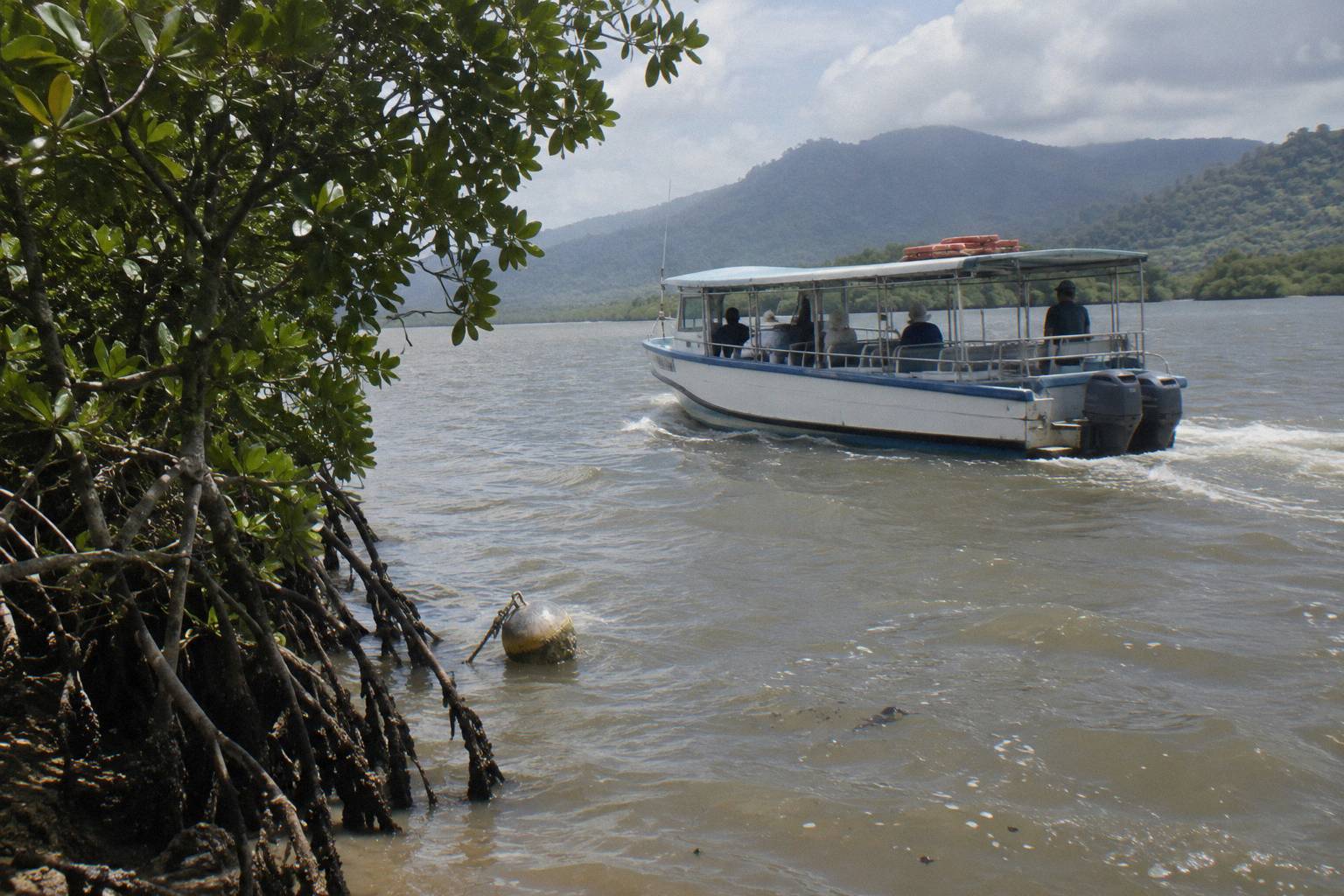
The case for tours for wildlife viewing is structural, not promotional. A licensed operator working an inlet or a river every day knows the water, runs a vessel designed for it, and gives a briefing that covers the rules for that specific trip. Your job as a guest is to follow that briefing. That division of responsibility is exactly what the Queensland guidance points at when it says to follow signs and briefings, and it is why guided wildlife experiences and do-it-yourself estuary wandering sit in completely different risk categories.
Take the water-based options here. Spirit Of Cairns Dinner Cruise, run by Tusa Reef Tours And Spirit Of Cairns, is a 2.5 hour vessel experience from Marlin Marina, from US$98 per person. Sunset And Inlet Cruises, run by Bad Fishy Jet Boating in Cairns, puts you on Trinity Inlet for 75 to 90 minutes, from US$48 for the 75 minute inlet cruise and from US$52 for the 90 minute sunset cruise, with groups of up to 12. Both are deck-based ways to see the estuary that never ask you to touch the water. For the full comparison of the harbour options, the Cairns harbour and Trinity Inlet cruises guide lays them out side by side.
Land-based wildlife works the same way. The Night Wildlife Walk In The Botanic Gardens, run by Aussie Macro Photos, is a guided 1 to 2.5 hour walk through gardens habitat with groups of up to 8, from US$41 per person, meeting on Collins Avenue. The aquarium options run indoors entirely: Cairns Aquarium Tickets, from US$41 per person and rated 4.6 from 487 reviews, and Night At The Cairns Aquarium, from US$60 for the guided tour and from US$103 and up for dinner options, rated 4.8 from 114 reviews.
Hartley's: The Managed Place To See Crocodiles
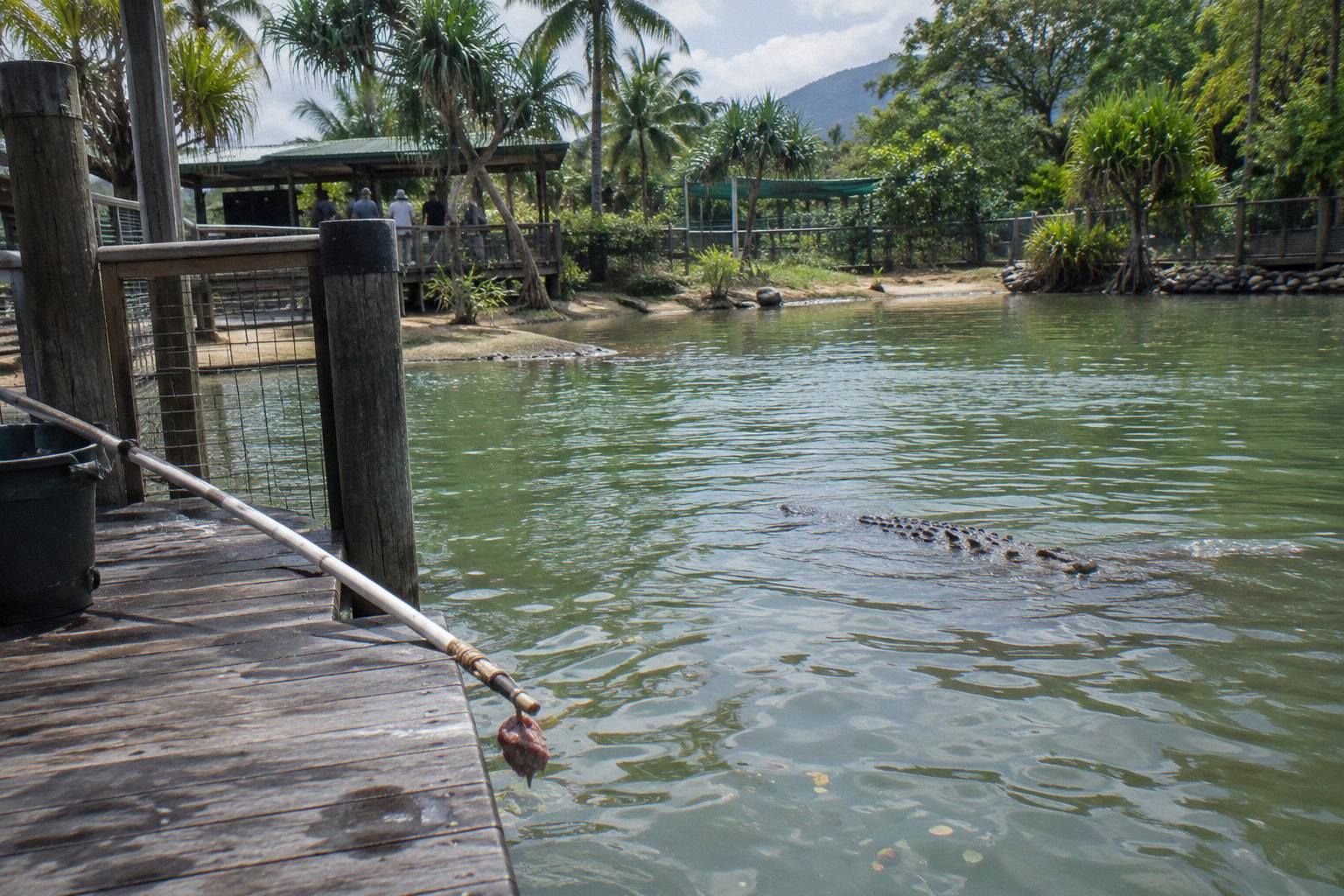
Hartley's Crocodile Adventures, at 4019 Captain Cook Highway in Wangetti, is the managed setting where visitors see estuarine crocodiles: open daily 8.30am to 5pm except Christmas Day and Ironman day (Sun 14 Jun), with the entry ticket including one boat cruise of about 20 minutes through the crocodile lagoon. The official site is crocodileadventures.com, and a common trap is that hartleys.com.au is an unrelated finance firm.
Seeing crocodiles at Hartley's is the difference between observing the animal in a designed habitat and gambling on a wild encounter, and for families with children that difference is the whole decision. The park sits on the Captain Cook Highway between Cairns and Port Douglas, and the day trip run by Down Under Tours collects you with hotel pickup in Cairns and the Northern Beaches, carries up to 24 guests on an air-conditioned coach, and runs 5.5 to 6.5 hours all up, from US$88 per person. The trip includes the entry ticket, the scenic boat cruise through the crocodile lagoon, and access to the wildlife shows and keeper presentations; food, drinks and optional souvenir photos holding animals are extra. The trip is not wheelchair accessible and infants sit on laps. Show and feeding times vary, so check the park's schedule for the day of your visit rather than locking in a fixed time.
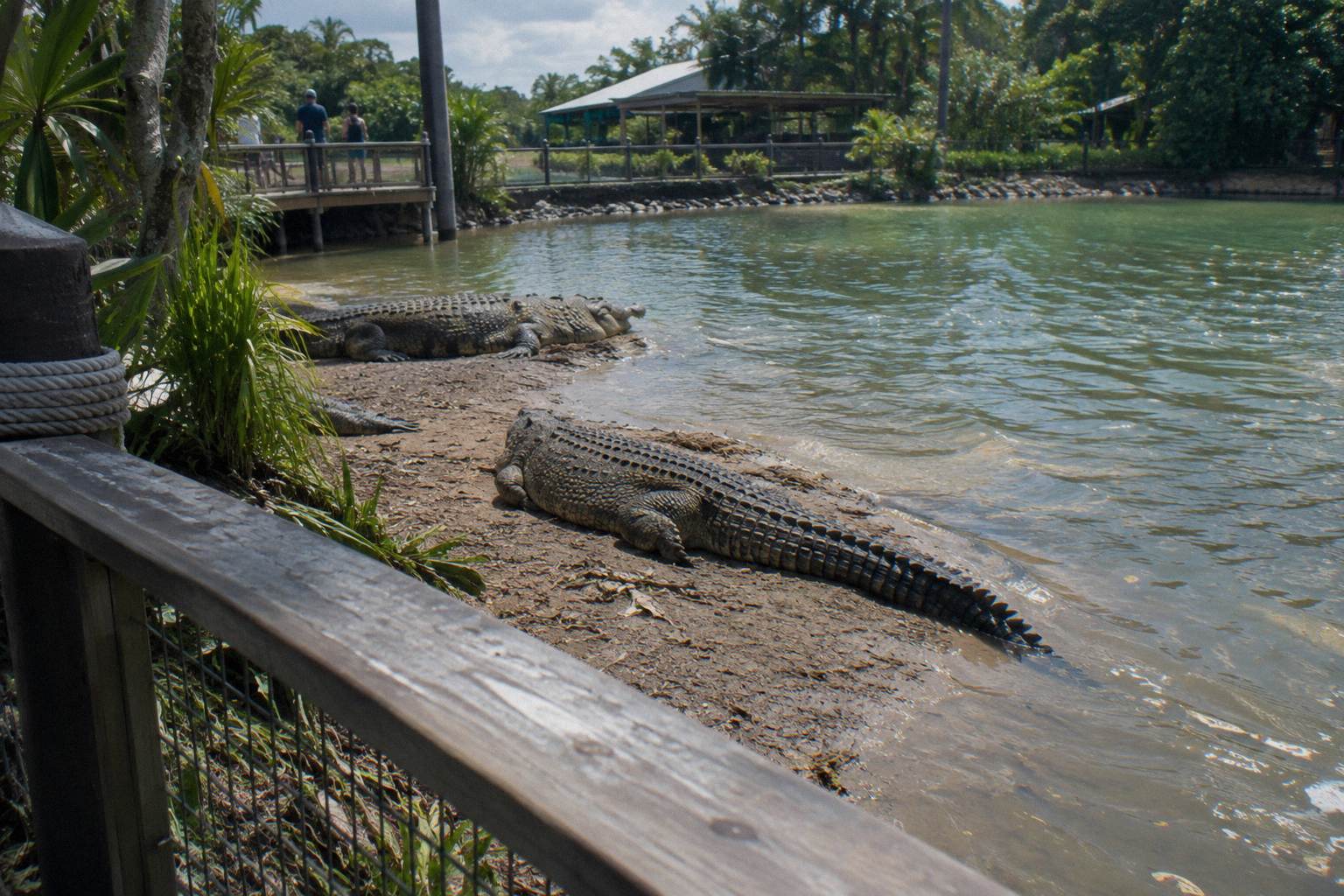
A detail worth repeating because it trips people up online: the park's official website is crocodileadventures.com, and the similarly named hartleys.com.au belongs to an unrelated finance company. Booking and park information should always come from the official domain or from the operator's live listing on a trip page like this one. The park's opening hours, 8.30am to 5pm daily except Christmas Day and Ironman day (Sun 14 Jun), are the park's own published arrangements, and the boat cruise inclusion is part of the standard ticket.
For readers weighing whether the entry price stacks up against the experience, the deeper write-up in is Hartley's Crocodile Adventures worth it works through the value question in full, and the Hartley's Crocodile Adventures tour from Cairns guide covers the trip logistics. The short version: if your interest in crocodiles is genuine but your tolerance for wild-water risk is low, a managed habitat with a lagoon cruise is the setting built for exactly that reader.
Night Walks And Estuary Edges
Night is when much of Far North Queensland's wildlife is actually active, and it is also when unguided wandering near water is at its least sensible. Guided night options solve that with small groups, a leader and a set route. The Night Wildlife Walk In The Botanic Gardens runs 1 to 2.5 hours with groups capped at 8, from US$41 per person, and the aquarium's Night At The Cairns Aquarium runs entirely indoors.
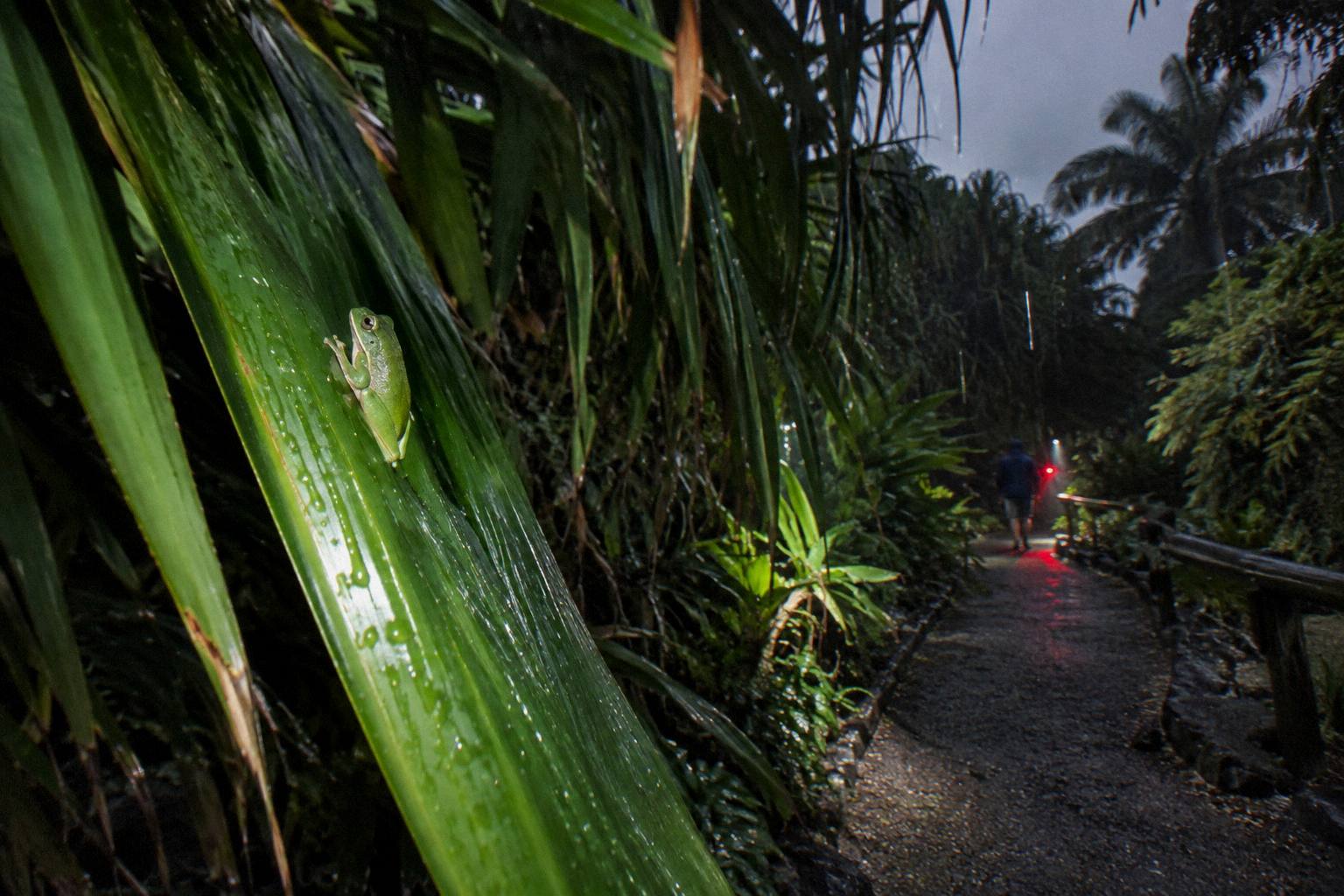
The night wildlife walk deserves its own note here because it is the most direct "wildlife at night, without guessing" option. Aussie Macro Photos runs it from the Botanic Gardens on Collins Avenue, and the small group cap of 8 means the guide's briefing actually reaches everyone. The gardens themselves are council-managed with published hours: Flecker Gardens and the Conservatory are open 7.30am to 5.30pm daily weather permitting, other areas are open 24 hours, and admission is free. What the walk adds is eyes, a route and a leader who knows which animals are likely and where, which is precisely the briefing-and-signage principle applied to the dark.
The indoor night alternative covers a different instinct. Night At The Cairns Aquarium, from US$60 for the guided tour and from US$103 and up for the dinner options, rated 4.8 from 114 reviews, gives you the region's freshwater and reef wildlife in a building on Florence Street, one block from the Esplanade. The aquarium's day tickets run on the same address, open daily 9:30am to 3:30pm including public holidays with last admission at 2:30pm. Neither option involves open water, and both are answers to the question "how do I see this region's animals without taking on estuary risk at night".
The broader point: night changes the terms around water. Visibility drops, animals move, and signage is harder to read. The verified guidance does not change, follow signs and briefings, but the practical weighting shifts firmly toward guided and indoor formats after dark. The unusual things to do in Cairns at night roundup collects the evening options if you are building a full night plan, including a piece on how night wildlife tours handle rain.
Creeks, Waterfalls And The Limits Of Verified Advice
Not every swimming question around Cairns has a verified answer. Crystal Cascades, a popular freshwater creek spot, is council-managed rather than a national park, and its track lengths, swimming rules and current conditions call for on-site confirmation: check with the council and follow whatever is posted on site.
This section exists because cautious readers eventually ask the follow-up question: if the estuary is out, where do people swim? The Rainforest And Waterfalls Half-Day Tour, run by Cairns Canyoning and departing from Bay 7 at the Reef Fleet Terminal, visits rainforest and waterfall country in a 5 hour trip with groups of up to 12 and a minimum age of 16, from US$114 per person. It is a canyoning operator's trip, which means briefed, geared and guided water access rather than freelance swimming. Whether it suits your risk appetite is your call; what can be said is that it runs inside a briefing-led framework.
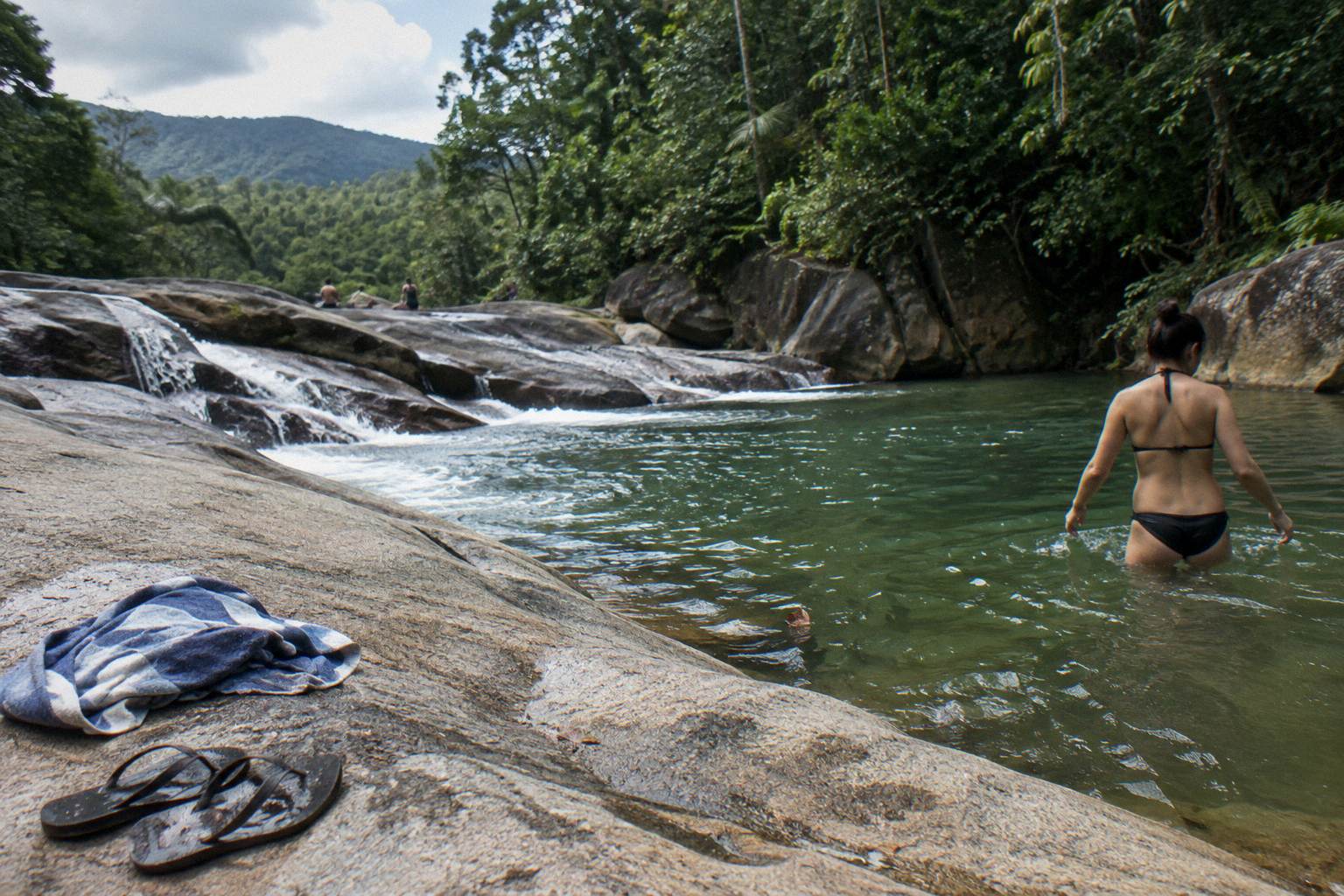
Crystal Cascades details belong to the council. Lagoon arrangements sit on the council's own page. When a time, tide or seasonal rule matters, the operator or the live listing holds the current figure, and a one-click check with that source beats trusting any secondhand summary, however confident it sounds.
A safety question deserves sourced answers. The what to do in Cairns when it rains discussion handles one specific planning wrinkle, and the when not to visit Cairns for tours post covers the seasonal side, including the cyclone season that runs from 1 November to 30 April. Read both before you fix your travel dates.
Who To Check Before Water-Based Plans Around Cairns
| Question you have | The authority that actually answers it |
|---|---|
| Crocodile guidance and Be Crocwise messaging | Queensland Government living-with-crocodiles page |
| Track closures in Barron Gorge and rainforest parks | Queensland Parks and Wildlife Service alerts |
| Lagoon hours, entry and closures on the Esplanade | Cairns Regional Council Lagoon page |
| Botanic Gardens hours, tours and walking conditions | Cairns Regional Council Botanic Gardens pages |
| Hartley's park hours, shows and ticket inclusions | crocodileadventures.com, the park's official site |
Practical Safety Habits Before You Book Or Walk
The complete toolkit is short: follow Be Crocwise signage, follow the operator's briefing, keep out of unadvised water, and check the relevant authority, parks, council or operator, before each plan. Every one of the ten trips here carries free cancellation up to 24 hours on the booking page, so a changed condition need not cost you the booking.
Booking with that flexibility matters more around Cairns than in most destinations, because conditions here are genuinely dynamic. The Bureau of Meteorology's Cairns Aero figures put annual rainfall at 2,019.1 mm across 119.9 rain days, with February the wettest stated month at 436.1 mm and August the driest at 26.9 mm. Cyclone season runs 1 November to 30 April. Rain changes water levels, track conditions and tour operations, which is a practical argument for bookings you can move and for rechecking conditions the day before rather than the week before.
Beyond that, the habits are unglamorous. Read the sign. Attend the briefing. Keep children behind barriers. Store food properly at barbecue areas. Keep dogs where the council says dogs are allowed, which on the Esplanade means the promenade and not the Lagoon parklands. And when a page or a person tells you some local water is "definitely safe", treat that as a reason to trust them less, not more, because no official source in this region frames water safety as a guarantee.
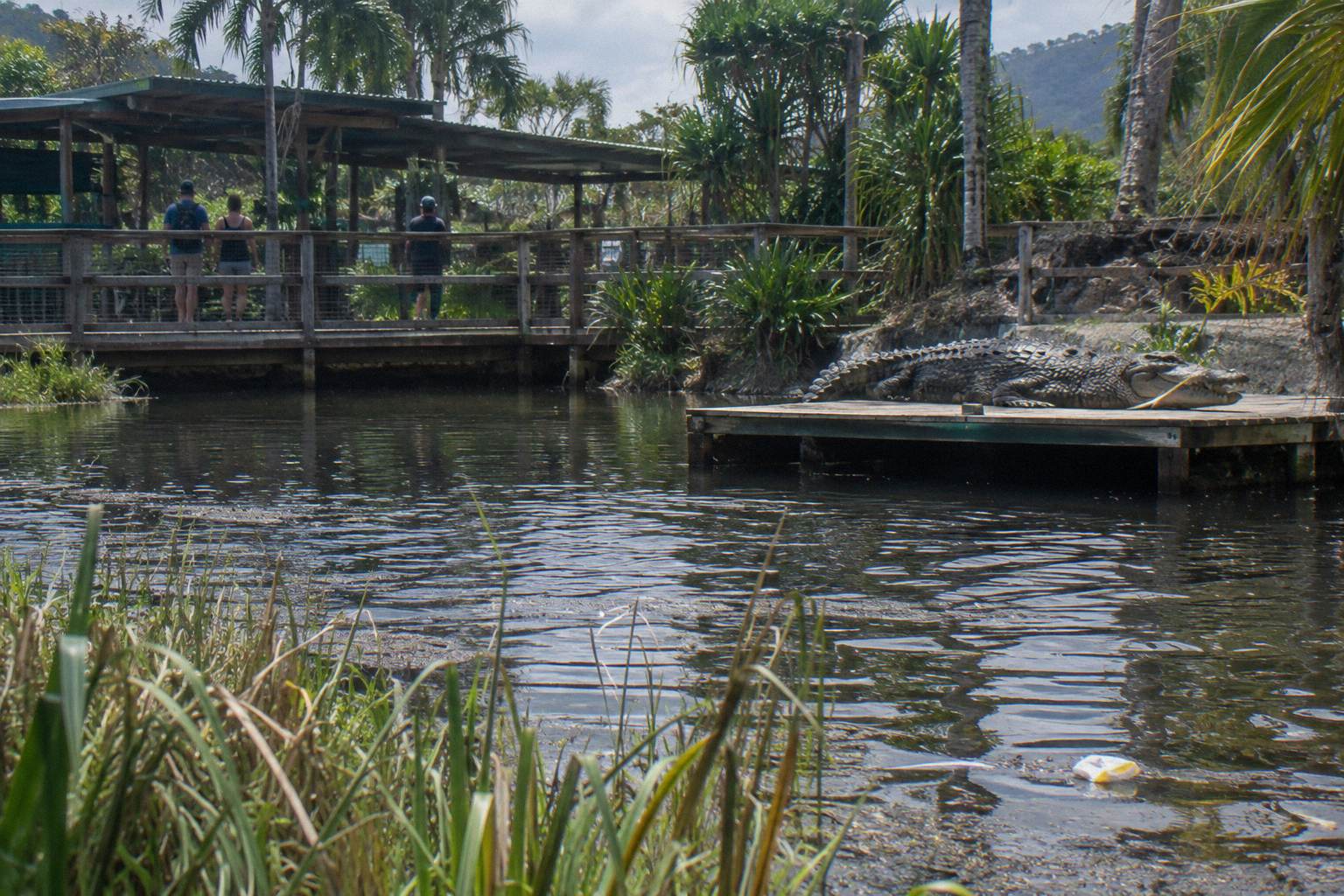
The tours that fit this cautious framing are the ones already discussed: vessel-based inlet experiences, guided walks with briefed leaders, indoor wildlife at the aquarium, and Hartley's managed habitat for the crocodiles themselves. Each replaces a personal judgment call about water with a system designed and briefed by people who work that water daily. That is not a promise; it is simply the structure that matches the official guidance.
For trip-by-trip logistics across every tour, the things to do in Cairns worth booking guide is the site's central reference, and the when to book in Cairns by season guide handles timing. Neither will tell you any water is croc-free, because that claim does not exist in any source worth citing.
Common Questions About Crocodile Safety In Cairns
Are There Crocs In The Ocean In Cairns? Safety On Tours And Walks
Estuarine crocodiles occur in Queensland waterways between Gladstone and Cape York, a range that includes all the waterways around Cairns. The sea frontage at the Esplanade is tidal mudflat and estuary, and swimming there is not advised. Follow Be Crocwise signage and operator briefings, and treat no local water as croc-free, because no official source says it is.
Is It Safe To Swim At The Cairns Esplanade?
Council and visitor guidance say swimming at the Esplanade sea frontage is not advised, because the frontage is tidal mudflat and estuary. The parklands beside it are free for casual use, with playgrounds, barbecues from 6am to 9pm and fitness classes. For managed swimming arrangements, check the council's Lagoon page directly, as its hours, entry rules and closures are not verified for printing here.
Where Can I See Crocodiles Safely Near Cairns?
Hartley's Crocodile Adventures at Wangetti is the managed place to see crocodiles. The park is open daily 8.30am to 5pm except Christmas Day and Ironman day (Sun 14 Jun), and the entry ticket includes one boat cruise of about 20 minutes through the crocodile lagoon. The Down Under Tours day trip from Cairns runs 5.5 to 6.5 hours with hotel pickup, from US$88 per person.
Do I Need To Worry About Crocodiles On Organised Tours?
Organised tours run inside a briefed, managed system: vessels, boardwalks, licensed crew and a safety briefing you are asked to follow. That structure is exactly what Queensland guidance points to. No tour is a guarantee of safety and none should be sold as one, but a briefed deck-based or guided experience is a very different setting from wandering estuary edges on your own.
Are Night Walks In Cairns Safe From Crocodiles?
Guided night options keep you on a set route with a leader: the Night Wildlife Walk In The Botanic Gardens runs 1 to 2.5 hours with groups capped at 8, and Night At The Cairns Aquarium runs entirely indoors. Follow the guide's briefing in either case. No verified guidance declares any walk croc-free, so the signage and briefing rule applies after dark exactly as it does by day.
Can I Cancel A Tour If Conditions Change?
Every one of the ten trips carries free cancellation up to 24 hours before departure on the booking page. That flexibility matters around Cairns, where annual rainfall averages 2,019.1 mm across 119.9 rain days and cyclone season runs from 1 November to 30 April. Recheck conditions and park alerts the day before you travel.