When To Book Tours In Cairns: Dry Season Versus Wet Season
Cairns splits into a wet and a dry season, and the season you pick changes which tours run smoothly, which lookouts are open, and how early you need to lock things in.
Short answer
The dry months of July to September bring the lowest rainfall, from 26.9 mm in August to 33.2 mm in July, and peak demand for tours. The wet months of January to March bring 404.8 mm to 436.1 mm each. Book dry-season tours well ahead, watch the 2027 rail and Skyrail closures, and use free cancellation up to 24 hours on every booking page.
Cairns averages 2,019.1 mm of rain a year across 119.9 rain days, and almost none of it falls evenly. The Bureau of Meteorology's Cairns Aero station records 436.1 mm in February alone against 26.9 mm in August, which means the same tour can be a very different experience depending on the month stamped on your air ticket. Choosing travel dates in this city is really choosing which tours you can count on.
The seasons below are mapped using official climate figures and the practical questions: which months are wet, what closes in 2026 and 2027, how cyclone season overlaps the wet, and how far ahead each kind of tour needs to be booked. Every price quoted is a booking-page from-price per person in US dollars, and every closure date comes from the operator's own notices.
What Is The Best Time To Visit Cairns?
The best time to visit Cairns for tour reliability is the dry season, July to September, when monthly rainfall drops to between 26.9 mm and 34.8 mm and July's mean maximum sits at 25.9 °C. The trade-off is demand: dry-season tours fill first. The wet months of January to March still support city, aquarium and evening tours, but each carries 404.8 mm to 436.1 mm of rain.
Those headline numbers come from the Bureau of Meteorology's long-term averages for Cairns Aero, and they frame every other decision. The mean maximum climbs to 31.5 °C in January with a mean minimum of 23.8 °C, while July cools to a 25.9 °C maximum and 17.2 °C minimum. October stands out for a different reason: 8.8 hours of daily sunshine, which makes late spring a strong window for tours that depend on clear light and views.
None of this makes the wet season a bad time to visit. It makes it a different time to visit. A city sights tour, an aquarium visit or a dinner cruise runs on the same from-price in February as in August, and the crowds are thinner. What changes is your margin for error: a February itinerary needs indoor and evening backups in a way an August one does not. The season pages, including tours worth booking in Cairns, go deeper on individual picks.
| Season | Months | Mean max | Monthly rainfall | What it means for booking |
|---|---|---|---|---|
| Wet | January to March | up to 31.5 °C in January | 404.8 mm to 436.1 mm | Keep plans flexible, lean on city and indoor tours |
| Dry | July to September | 25.9 °C in July | 26.9 mm to 34.8 mm | Book earliest, expect the fullest departures |
| Cyclone season | 1 November to 30 April | overlaps both | stated above only where listed | Check conditions with each operator |
Which Months Are Wet And Which Are Dry?
The wet months in Cairns are January to March and the dry months are July to September, and the rainfall gap between them is enormous: February averages 436.1 mm while August averages 26.9 mm. Those six months are the only ones with verified figures, so planning should anchor on them rather than on guesses about the shoulder months between.
The monthly numbers tell the story more sharply than any label. January carries 404.8 mm, February 436.1 mm and March 424.3 mm, making the first quarter of the year the sustained wet period. On the other side, July records 33.2 mm, August 26.9 mm and September 34.8 mm. The Bureau of Meteorology publishes these as long-term averages, which means any individual week can buck them, but as a booking signal they are about as reliable as climate data gets.
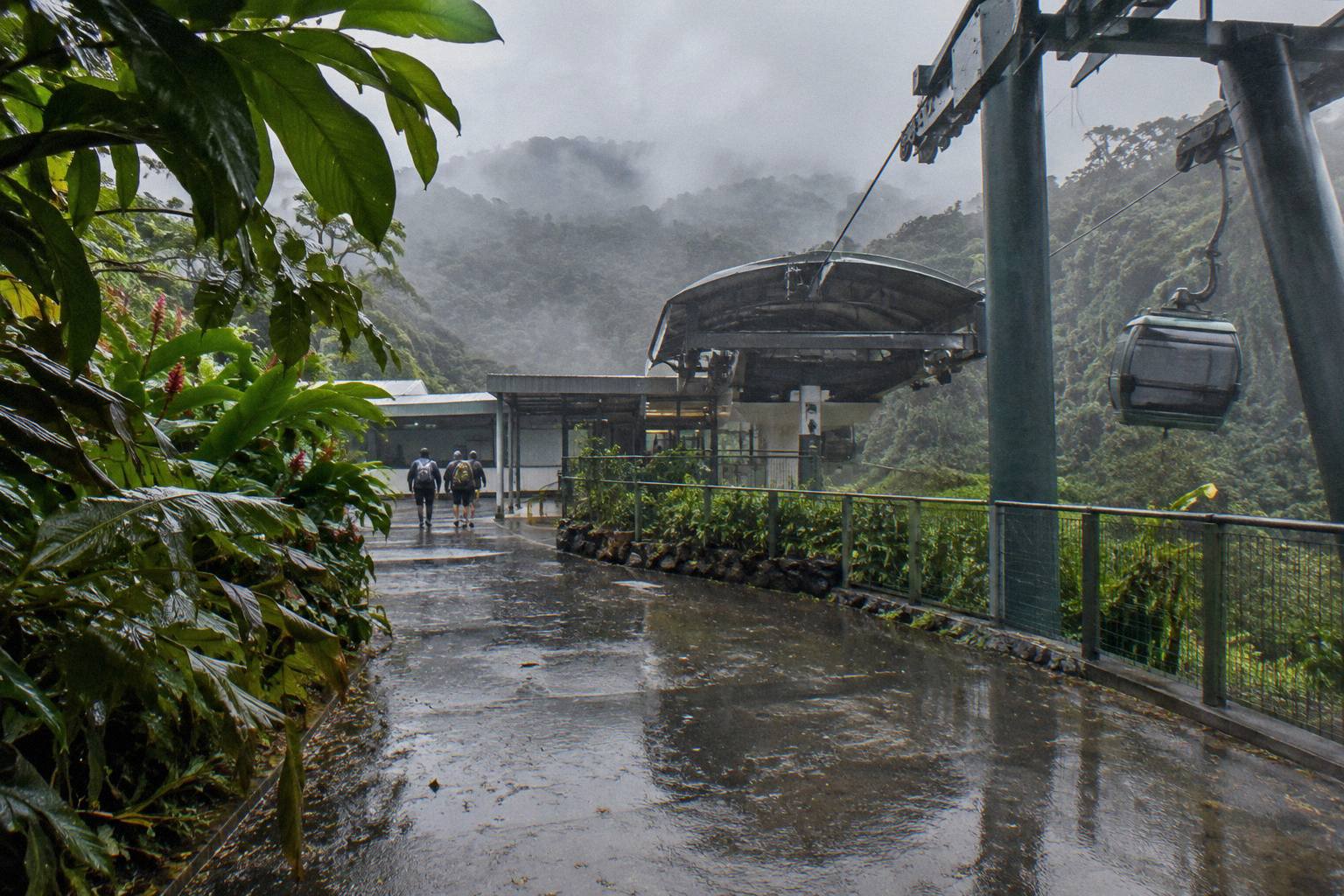
What the averages hide is how tropical rain arrives. A wet-season month can deliver its rainfall in a handful of intense afternoon downpours rather than days of drizzle, which is why no operator's weather behaviour can be promised. What can be said is practical: every one of the ten tours carries free cancellation up to 24 hours before on the booking page, and the operator confirms conditions for your departure. That policy is the wet-season traveller's safety net.
For readers weighing the wet season against its reputation, when not to visit Cairns for tours covers the case against the wettest weeks.
When Should You Book Each Tour?
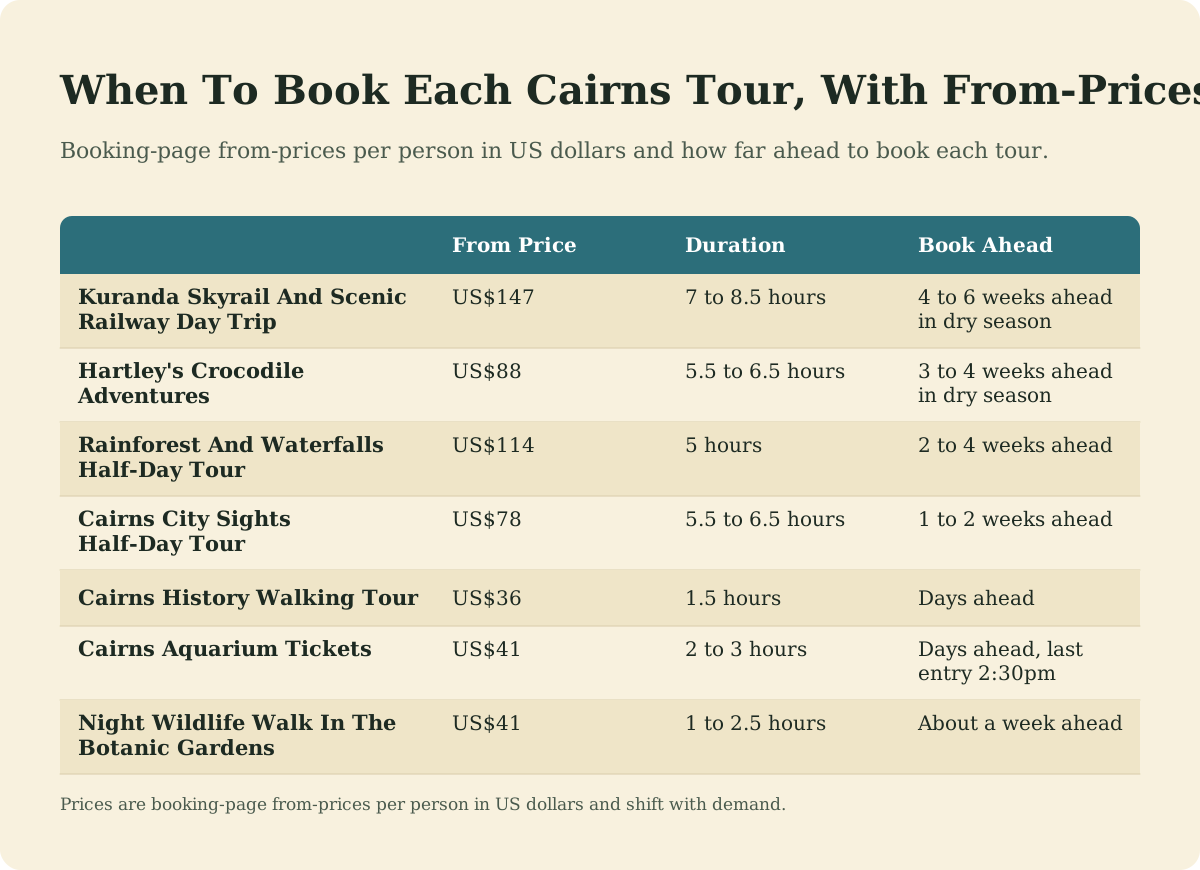
Full-day rainforest trips such as the Kuranda Skyrail And Scenic Railway Day Trip, from US$147 per person for 7 to 8.5 hours, deserve the earliest booking in the dry season, followed by wildlife trips like Hartley's Crocodile Adventures at from US$88. Short city tours, from the US$36 History Walking Tour to the US$78 City Sights Half-Day Tour, can be booked days ahead with less risk of missing out.
The logic is capacity and competition. A day trip with hotel pickup, a group cap and a fixed rail timetable has fewer seats on any given morning than a 1.5-hour walking tour with a maximum of 12 guests. In July and August, when the rainfall figures say the weather will cooperate, every traveller in town wants those seats on the same clear mornings. Booking four to six weeks out for full-day trips in the dry season is sensible; two weeks is usually enough in the wet.
Indoor and evening products run against that grain. Cairns Aquarium Tickets cost from US$41 per person for a 2 to 3 hour visit, rated 4.6 from 487 reviews, and the aquarium opens daily 9:30am to 3:30pm with last admission at 2:30pm, so a same-week booking is realistic. Night At The Cairns Aquarium, from US$60 for the guided tour and from US$103 and up for dinner options, carries a 4.8 rating from 114 reviews and suits a wet-evening plan. On the water, Spirit Of Cairns Dinner Cruise runs from US$98 per person for 2.5 hours, and Sunset And Inlet Cruises start at US$48 for the 75-minute inlet cruise and US$52 for the 90-minute sunset cruise.
| Tour | From price | Duration | Best booking window |
|---|---|---|---|
| Kuranda Skyrail And Scenic Railway Day Trip | US$147 | 7 to 8.5 hours | 4 to 6 weeks ahead in dry season |
| Hartley's Crocodile Adventures | US$88 | 5.5 to 6.5 hours | 3 to 4 weeks ahead in dry season |
| Rainforest And Waterfalls Half-Day Tour | US$114 | 5 hours | 2 to 4 weeks ahead, check access first |
| Cairns City Sights Half-Day Tour | US$78 | 5.5 to 6.5 hours | 1 to 2 weeks ahead |
| Cairns History Walking Tour | US$36 | 1.5 hours | Days ahead |
| Cairns Aquarium Tickets | US$41 | 2 to 3 hours | Days ahead, note 2:30pm last entry |
| Night Wildlife Walk In The Botanic Gardens | US$41 | 1 to 2.5 hours | About a week ahead |
The all-prices-in-US-dollars note above applies throughout: figures are booking-page from-prices per person and shift with demand. If your dates are still moving, hold the anchors anyway: free cancellation up to 24 hours before applies on the booking page of every trip listed here, and the operator confirms conditions closer to the day.
What Closes And When In 2026 And 2027?
Three dated closures matter to booking: the Din Din Barron Falls lookout track shuts 23 November to 4 December 2026, the Kuranda Scenic Railway cancels all services across four windows in 2027, and Skyrail's Kuranda line closes from July to November 2027 so round trips only reach Red Peak. Any 2027 itinerary involving these assets needs the dates checked before flights are booked.
The railway's own closure page lists the 2027 windows as 10 to 14 May, 7 to 11 June, 11 to 15 October and 1 to 5 November, with all services cancelled on those dates. Outside them, the line runs twice daily all year except 25 December, though the timetable is subject to change, so check the listing before booking for departure times. The Cairns to Kuranda ride takes about 1 hour 55 minutes over 34 km of track built between 1882 and 1891, through 15 hand-made tunnels and around 40 bridges. Fares rise about 3.4% from 1 April 2027; check the listing before booking for fare amounts.
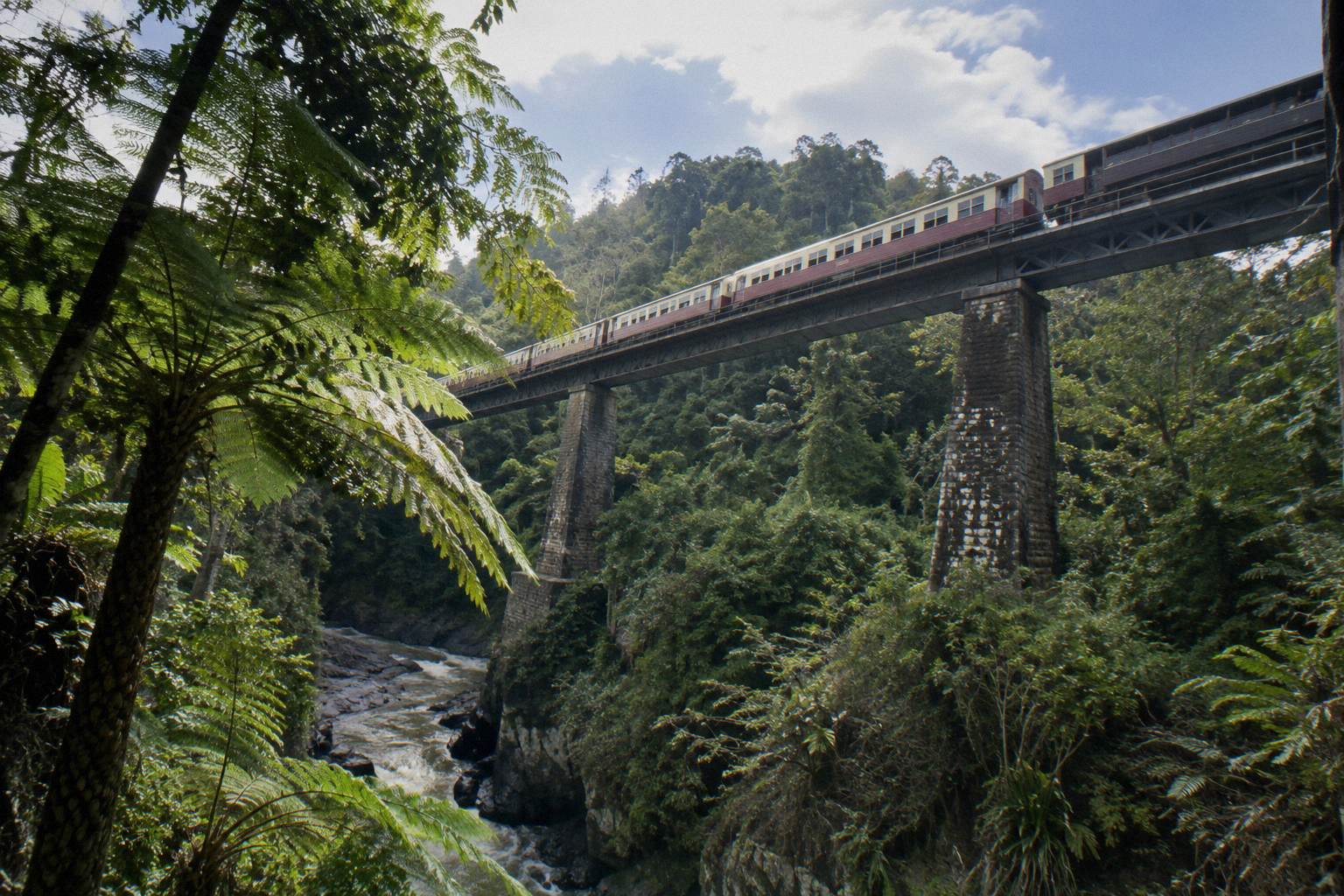
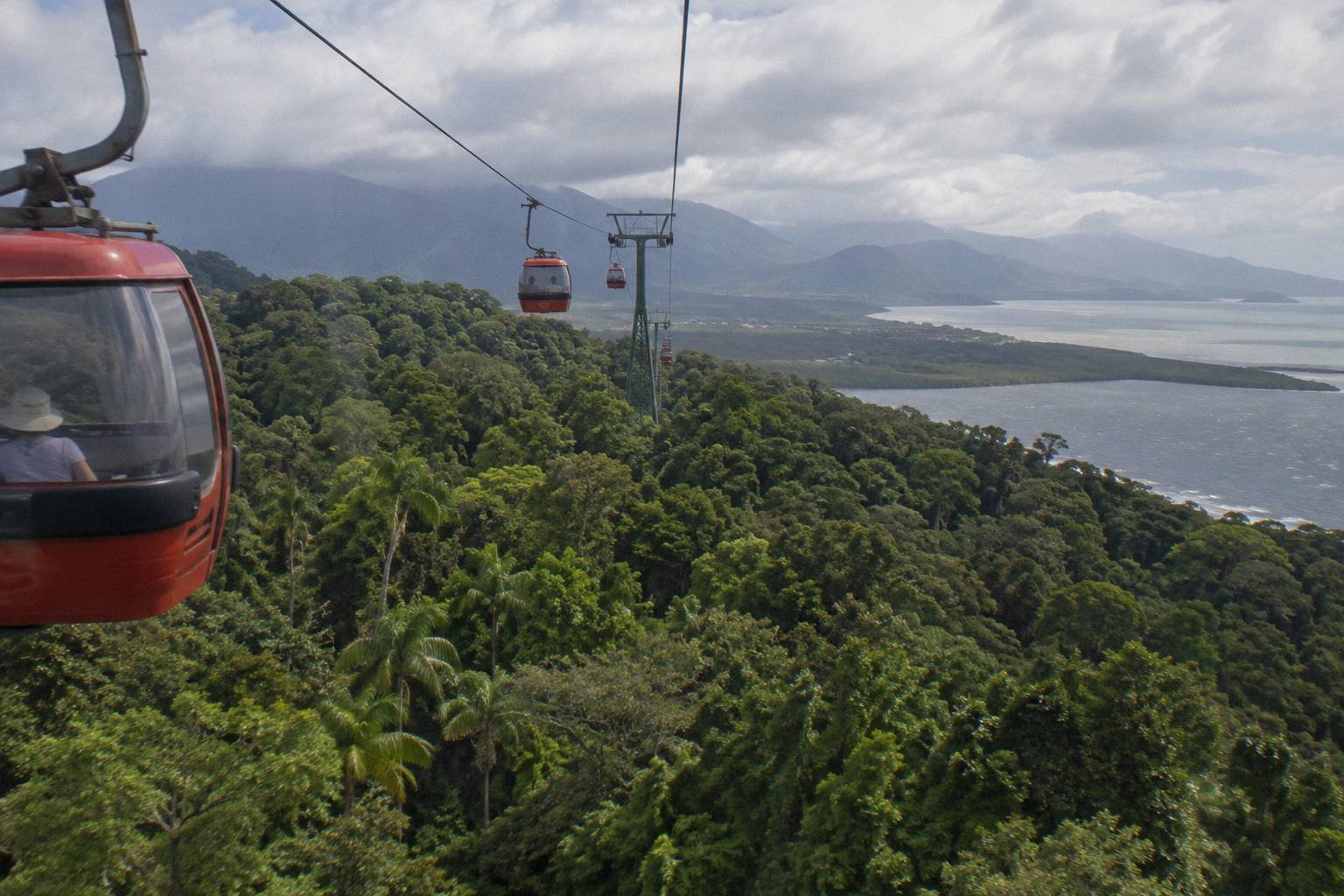
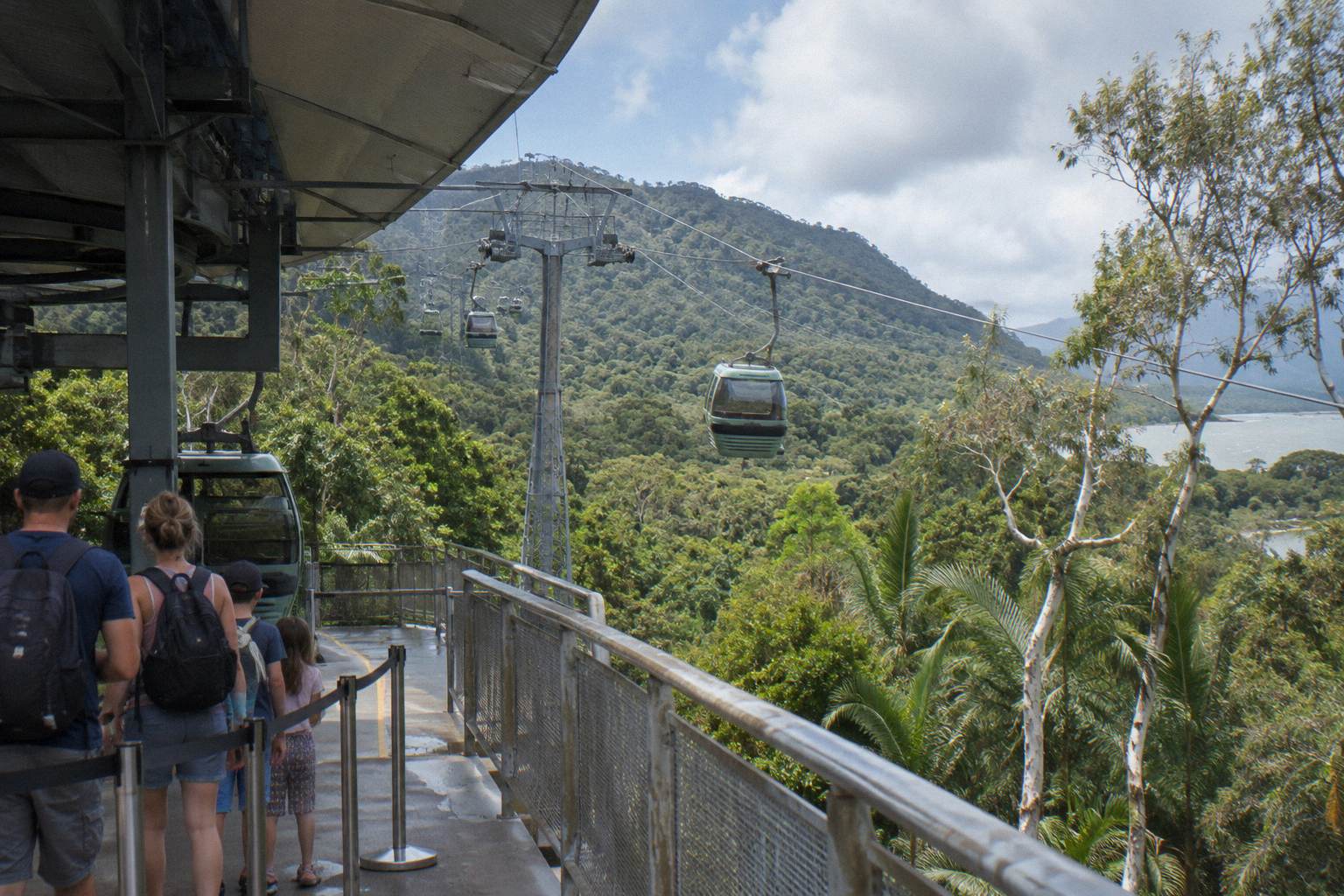
Skyrail's upgrade schedule is the subtler trap. Normal Smithfield to Kuranda operations resumed from 4 November 2026 with new gondolas on the Smithfield to Red Peak stretch, so the coming dry season runs as travellers expect. But from July to November 2027 the Kuranda line between Red Peak and Kuranda closes for the next stage, and round trips run Smithfield to Red Peak only. In that window a Skyrail journey does not reach Kuranda by cableway, which reshapes any Kuranda day plan. The official details are on the Skyrail upgrade page, and the railway's dates sit on the Kuranda Scenic Railway closure notice.
The falls themselves belong to Barron Gorge National Park, a Wet Tropics World Heritage area managed with the Djabugay people, where no camping, fishing or pets are allowed. The Din Din Barron Falls lookout track, an easy 800 m, about 15 minutes from the Barron Falls car park, closes with its day-use area from 23 November to 4 December 2026 for planned maintenance, per the Queensland Parks walking tracks summary. For deeper planning, the Kuranda Scenic Railway and Skyrail combination ties these pieces together.
Despite the closures, a Kuranda combination remains the region's signature full day, and Down Under Tours' version bundles hotel pickup with both legs.
How Does Cyclone Season Affect Tour Plans?
Cyclone season in Cairns runs from 1 November to 30 April, overlapping the wet months entirely and the edges of the dry not at all, so any trip in that six-month window should be booked with the free 24-hour cancellation kept in reserve. No operator's storm policy is fixed in advance: the operator confirms conditions, and every booking page allows cancellation up to 24 hours before.
The Bureau of Meteorology defines the season, and the practical response is procedural rather than fearful. Book as normal, keep your dates in pencil mentally, and let the cancellation window do the work if a system forms. A named cyclone approaching Far North Queensland is a rare event in any given week, but the season's mere existence is one more reason the dry months carry their booking pressure: certainty is part of what travellers are buying in July and August. Other pages covering the same trip are gathered on Cairns City Tours.
The seasonal overlap is worth sketching. The wet months of January to March sit fully inside cyclone season, as do November and December and the first weeks of April. The dry months of July to September sit fully outside it. October and the rest of April fall in the gaps, and no rainfall figure for those months is verified here, so they get no table row. Our broader Cairns day tours overview notes which categories lean on open water and open sky, the two things a cyclone or a rain depression affects most.
Which Tours Work In The Wet Season?
The wet season's most dependable tours are the indoor and evening ones: Cairns Aquarium Tickets from US$41, Night At The Cairns Aquarium from US$60, Spirit Of Cairns Dinner Cruise from US$98 and the Cairns History Walking Tour from US$36, all of which fit between or after downpours. The City Sights Half-Day Tour from US$78 with hotel pickup compresses a lot of Cairns into 5.5 to 6.5 hours.
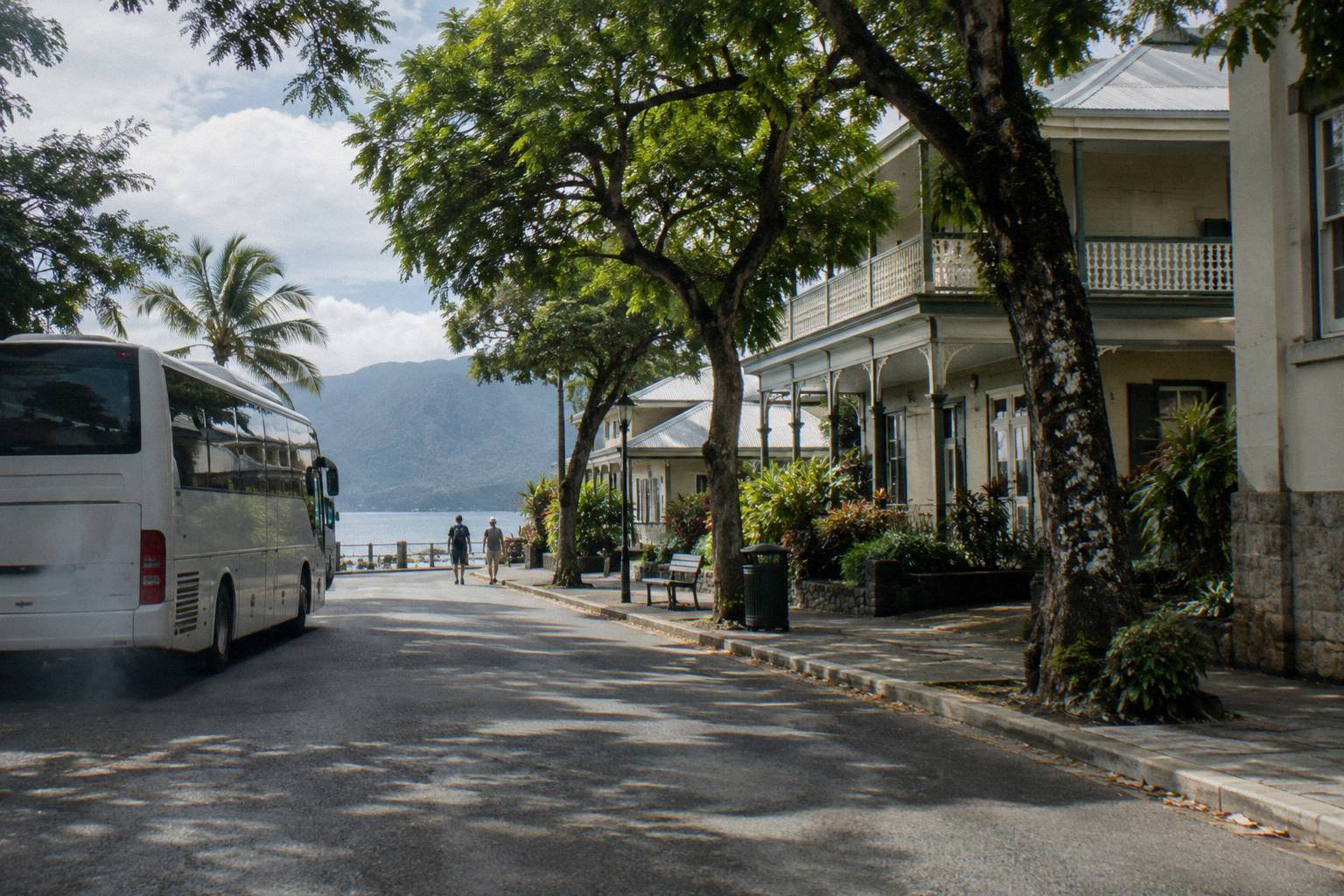
Tropic Wings Cairns Tours And Charters runs the City Sights trip in a 26-seat air-conditioned coach with a minimum age of 4, and hotel pickup removes the wet-season hassle of getting to a meeting point. The Cairns History Walking Tour, run by Cairns Urban Walking Tours, is the cheapest structured option in the lineup and covers 1.5 hours from the Cairns Museum on Shields Street, with a minimum age of 14 and a cap of 12 guests. Neither depends on a distant lookout being clear.
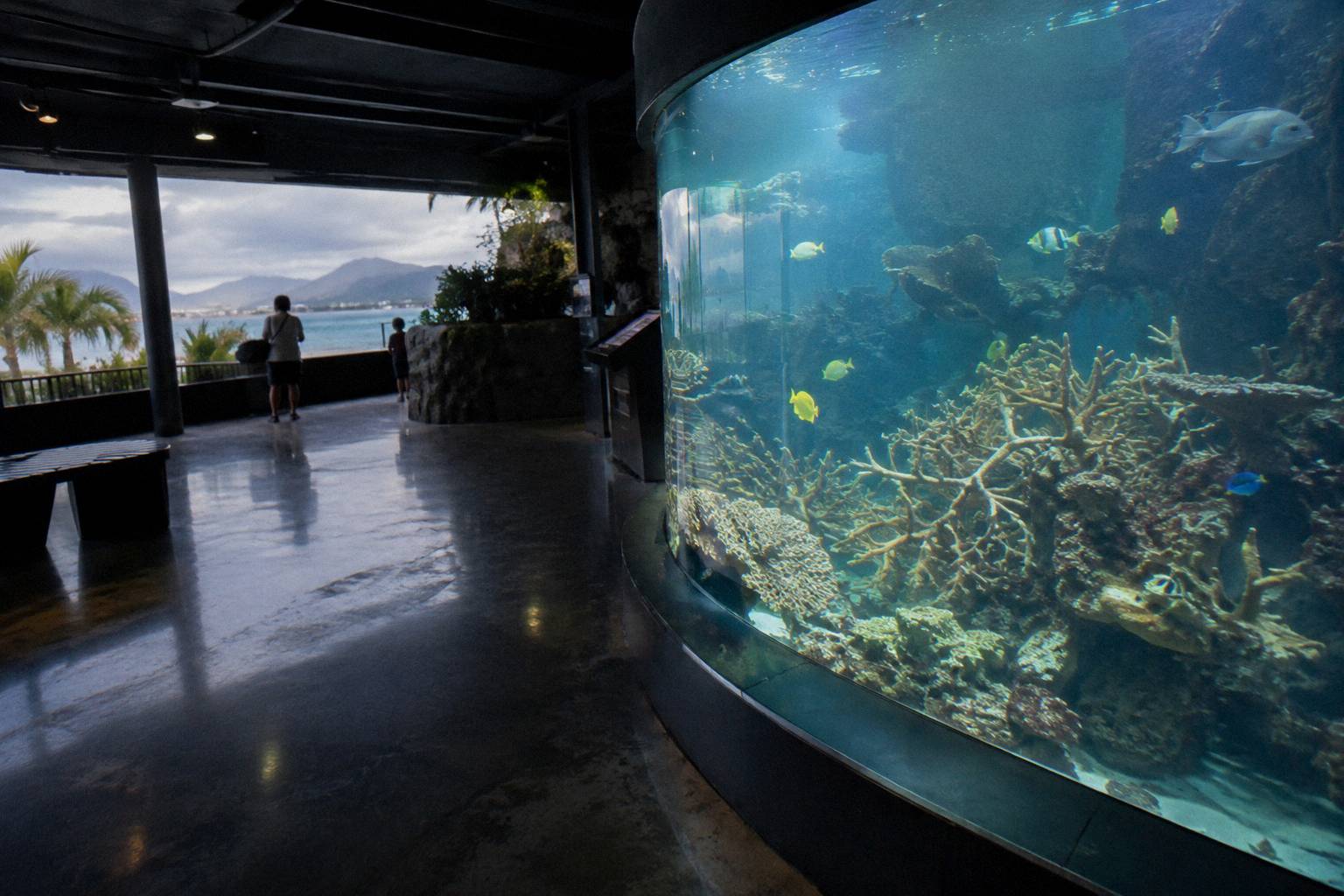
Evening wildlife options deserve a special mention in the wet months. The Night Wildlife Walk In The Botanic Gardens, from US$41 for 1 to 2.5 hours and capped at 8 guests, is run by Aussie Macro Photos from the Collins Avenue entrance, and the gardens themselves are free to enter with free Friends guided tours at 10am Monday to Friday needing no booking, per the council. On rainy nights specifically, the post on night wildlife tours in rain addresses what changes. For a fuller wet-weather playbook, see the guide to Cairns rainy day tours.
A half-day city loop is the piece most wet-season itineraries are built around, and it books easily on short notice.
Which Tours Suit The Dry Season?
The dry season opens up the tours that need clear air and full-day commitments: the Kuranda Skyrail And Scenic Railway Day Trip at from US$147, Hartley's Crocodile Adventures at from US$88, and the Rainforest And Waterfalls Half-Day Tour at from US$114, alongside the sunset and inlet cruises at from US$48. With 26.9 mm to 34.8 mm of monthly rain, July to September is when views, waterfalls and lookouts deliver.
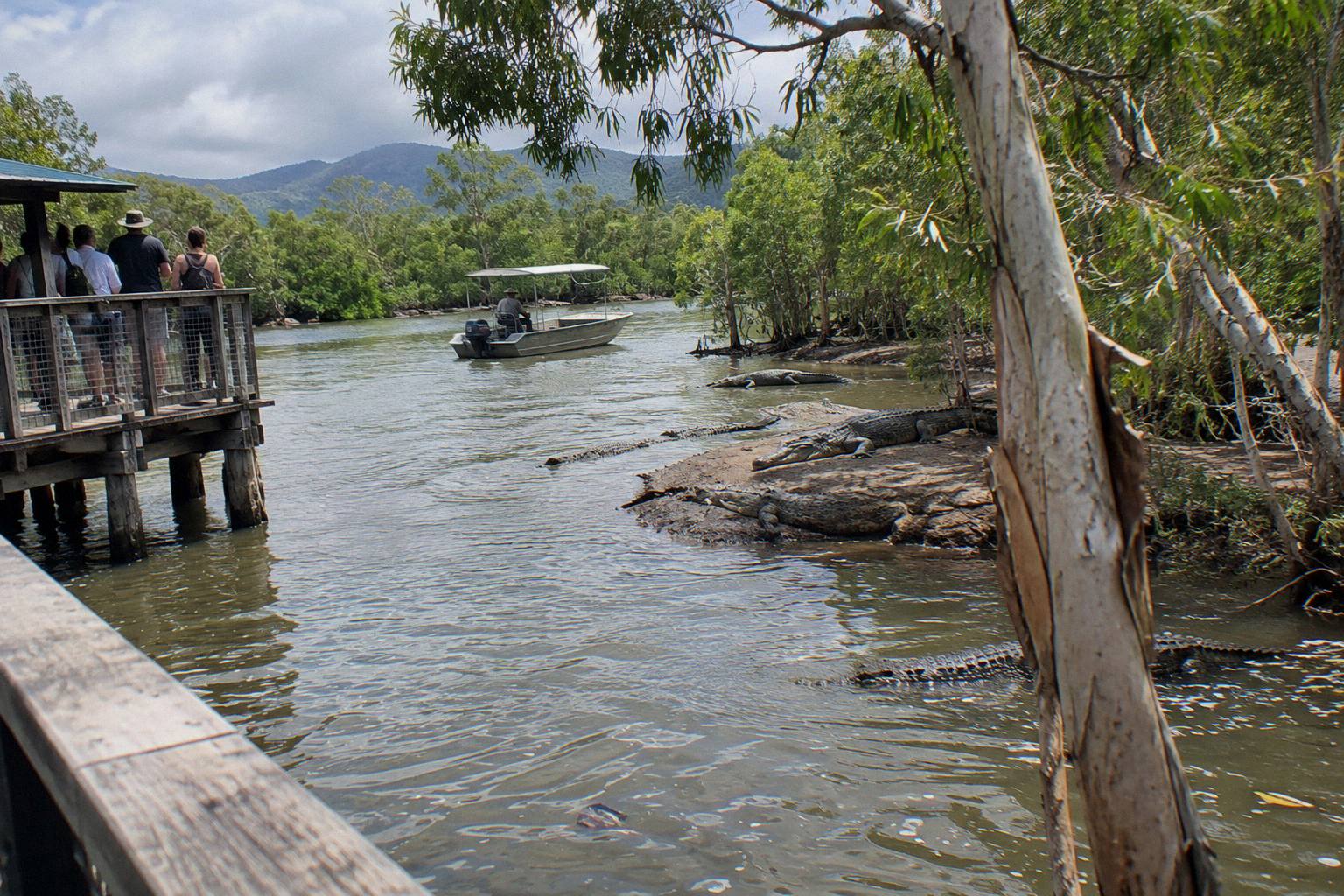
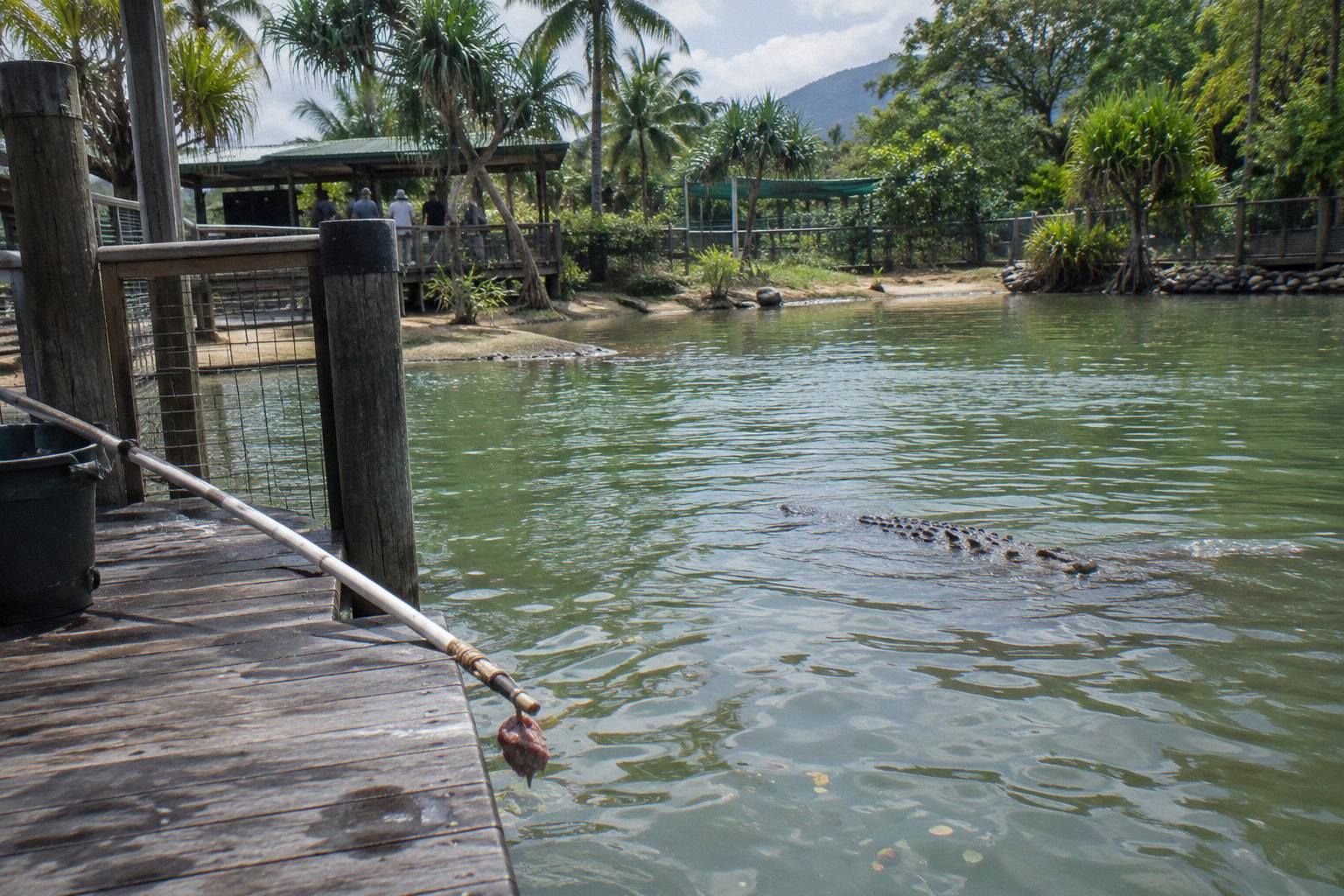
Hartley's, run by Down Under Tours with hotel pickup and a cap of 24 guests, deserves its dry-season billing less for rain than for the time spent outdoors: 5.5 to 6.5 hours including the roughly 20-minute boat cruise that the park ticket includes, at a park open daily 8.30am to 5pm except Christmas Day and Ironman day (Sun 14 Jun). The Rainforest And Waterfalls Half-Day Tour from Cairns Canyoning runs 5 hours from the Reef Fleet Terminal at 1 Spence Street, with a minimum age of 16 and a cap of 12, and waterfalls are simply better after the wet has filled them, so late dry into the shoulder can argue both ways.
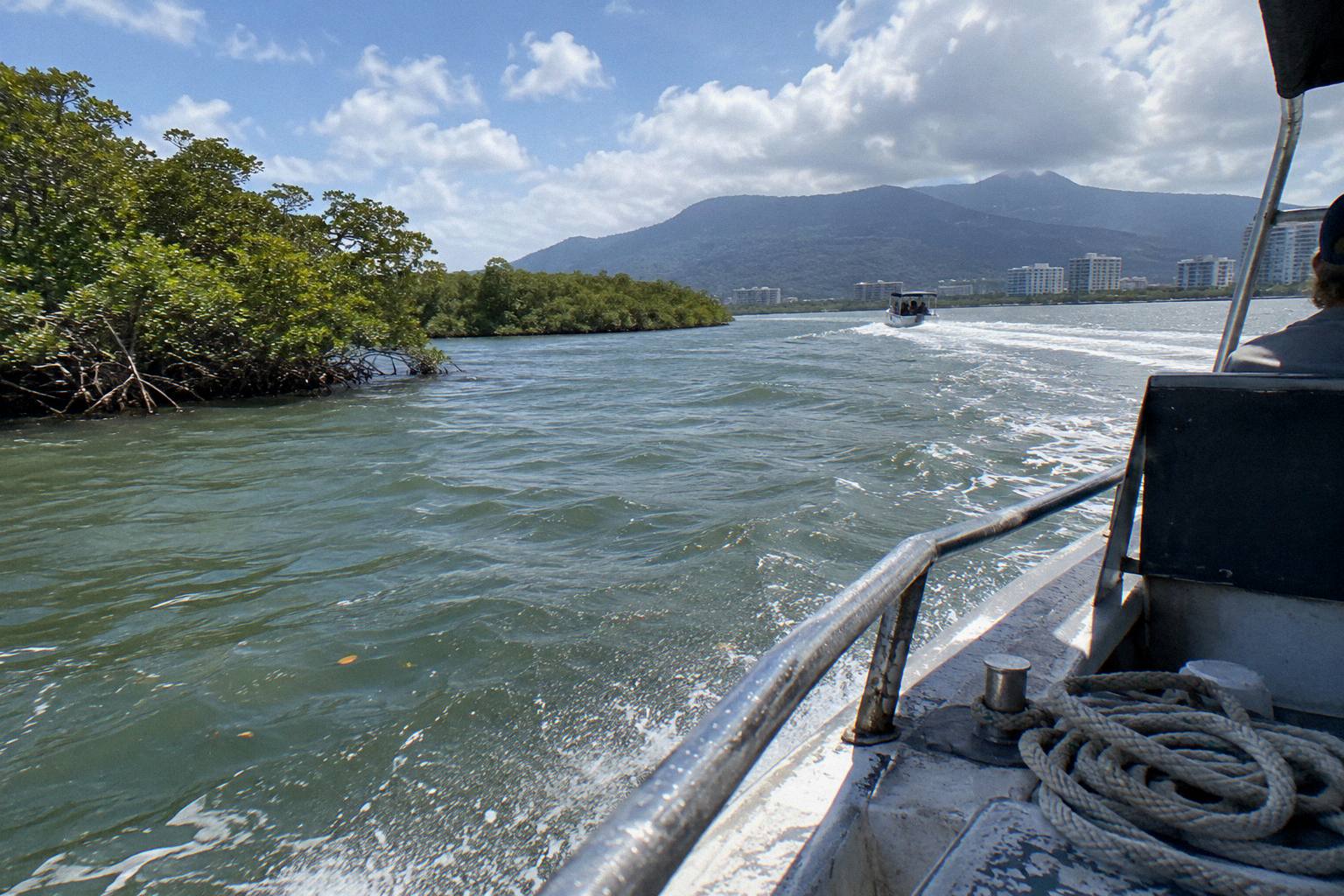
On the water, Bad Fishy Jet Boating In Cairns runs Sunset And Inlet Cruises from Marlin Marina Berth A1, capped at 12 guests, and a dry-season sunset over the inlet is the reliable version of the experience. The Spirit Of Cairns Dinner Cruise, from US$98 for 2.5 hours aboard with up to 75 guests from Marlin Marina's A Finger, works in any season but books hardest in the dry. Estuarine crocodiles occur in Queensland waterways between Gladstone and Cape York, so follow the Be Crocwise signs and the operator briefing on any inlet trip.
| Dry season pick | From price | Duration | Why dry season suits it |
|---|---|---|---|
| Kuranda Skyrail And Scenic Railway Day Trip | US$147 | 7 to 8.5 hours | Clear views over the canopy and gorge |
| Hartley's Crocodile Adventures | US$88 | 5.5 to 6.5 hours | Long stretches of outdoor boardwalk and shows |
| Rainforest And Waterfalls Half-Day Tour | US$114 | 5 hours | Lookouts and falls at their most visible |
| Sunset And Inlet Cruises | US$48 | 75 to 90 minutes | Sunsets unreliably survive wet-season cloud |
Is Shoulder Season A Good Compromise?
Shoulder season is a reasonable compromise only for travellers who accept thinner verified data: October offers 8.8 hours of daily sunshine, the highest figure stated anywhere, while no monthly rainfall is verified for April through June or October through December. The 2027 rail and Skyrail closure windows of May, June, October and November also land squarely in the shoulders, so check them first.
October is the easiest shoulder case to make on numbers alone. The sunshine figure comes from the same Bureau of Meteorology averages table as the rainfall numbers, and 8.8 hours a day is a genuine draw for photography-heavy days. The closures cut the other way. A May or June 2027 trip collides with the 10 to 14 May and 7 to 11 June rail cancellations, and an October or November 2027 trip collides with the 11 to 15 October and 1 to 5 November windows plus the Skyrail Kuranda line closure from July onwards. None of that closes the city tours, the aquarium or the cruises, which is the shoulder traveller's hedge: build the itinerary on the assets without closure notices and treat the rainforest icons as conditional.
What If It Rains On Your Tour Day?
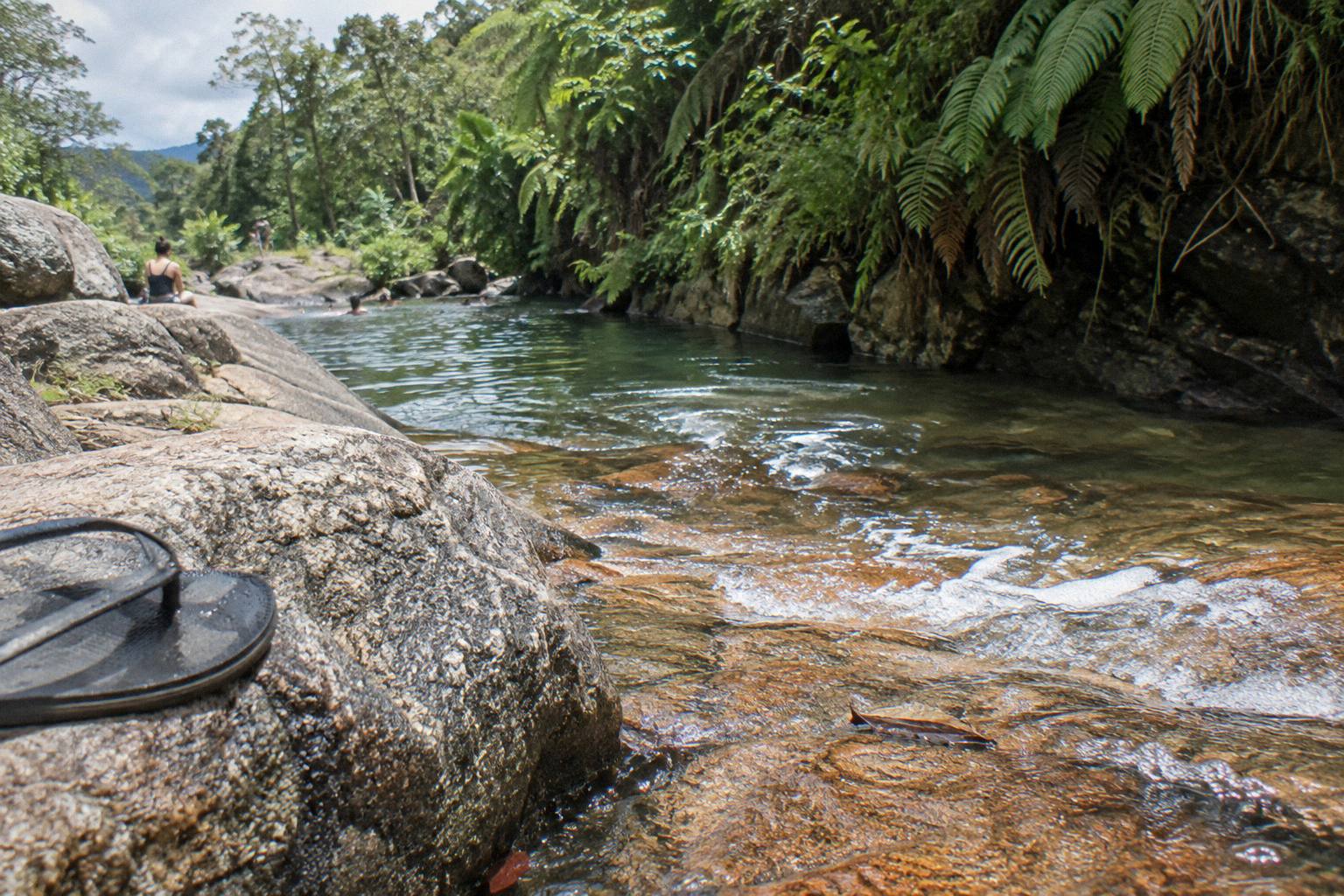
If rain lands on your tour day, the working rule is that free cancellation up to 24 hours before applies on every booking page listed here, and the operator confirms conditions for your departure; no operator's rain behaviour is promised in these listings. Shift indoor and evening tours into the wet slot, keep the full-day outdoor trips for the clearer day.
The 24-hour line deserves emphasis because it is the one policy common to all ten trips. It means a wet forecast seen two days out still leaves room to cancel and rebook without penalty on the booking page, which turns weather anxiety into a scheduling exercise. Inside 24 hours, the decision belongs to the operator, and their briefing on the day is authoritative, especially on the water where crocodile guidance applies year-round in Queensland.
A simple reshuffle usually solves it. The aquarium's 9:30am to 3:30pm opening with 2:30pm last admission absorbs a rainy afternoon; the dinner cruise absorbs a rainy evening; the walking tour absorbs a rainy morning between showers. Our blog on what to do in Cairns when it rains expands the full playbook, and the evening aquarium experience below is the single most rainproof structured evening in the lineup.
How Far Ahead Should You Book?
Book full-day rainforest and wildlife tours four to six weeks ahead for July to September travel, two to four weeks ahead across the rest of the year, and treat the short city, aquarium and evening tours as one-week-or-less decisions. Then hold your anchoring dates with the City Sights Half-Day Tour and the Kuranda combination, because both carry free cancellation up to 24 hours and hotel pickup is included on each.
The tiers follow capacity. A day trip capped at 80 guests with a fixed railway leg, or a wildlife trip capped at 24, exhausts its dry-season seats fastest. Mid-size products, like the Rainforest And Waterfalls Half-Day Tour with its cap of 12 and minimum age of 16, sit in the middle. Small and flexible products, the 36-dollar walking tour, the aquarium tickets, the cruises, can be slotted in during the trip itself once the weather picture firms up.
One last dated note belongs here rather than anywhere earlier: the Skyrail fare, railway fare and every park admission price are omitted on purpose, because only booking-page from-prices are printed, and the railway's 3.4% rise lands on 1 April 2027. Children aged 4 to 14 pay child fares on the railway with infants free, and Gold Class exists on some departures, but amounts live on the operators' pages. Whichever season you settle on, these three tours are the natural first bookings: one city anchor, one short walking option, one full rainforest day.
Common Questions About Booking Tours In Cairns By Season
What Is The Best Time To Visit Cairns?
The dry months of July to September, when rainfall runs 26.9 mm to 34.8 mm a month and July's mean maximum is 25.9 °C. Book earliest for that window, since demand peaks with the reliable weather.
Which Months Are The Wet Season In Cairns?
January to March, with monthly rainfall of 404.8 mm in January, 436.1 mm in February and 424.3 mm in March. Those are the only wet months stated here, matching the Bureau of Meteorology averages for Cairns Aero.
When Is Cyclone Season In Cairns?
Cyclone season runs from 1 November to 30 April, as defined by the Bureau of Meteorology. It overlaps the wet months fully; keep the free 24-hour cancellation in reserve for bookings in that window.
What Tours Are Closed In 2026 And 2027?
The Din Din Barron Falls lookout track closes 23 November to 4 December 2026; the Kuranda Scenic Railway cancels all services 10 to 14 May, 7 to 11 June, 11 to 15 October and 1 to 5 November 2027; and Skyrail's Kuranda line closes July to November 2027, with round trips reaching Red Peak only.
Can I Cancel A Cairns Tour If The Weather Turns?
Every trip listed carries free cancellation up to 24 hours before on the booking page. Inside that window the operator confirms conditions, and their briefing on the day is authoritative.
Do I Need To Book Cairns Tours In Advance?
Full-day trips like the Kuranda combination, from US$147 per person, need four to six weeks ahead in the dry season. Short tours such as the History Walking Tour at from US$36 or aquarium tickets at from US$41 can be booked days ahead.